Workshop Overview:
We will investigate and explore the best route for solving the profound puzzles arising from the recent ground-truth detection of methane on
Mars by the Tunable Laser Spectrometer (TLS) onboard Curiosity [Webster et al.
2014]. This discovery reorients our understanding of the Martian environment
and its potential for life.
The current theoretical framework of Mars does not
entail any active source of CH4, and it is predicted to have a lifetime of ~300
years in the Martian atmosphere – far shorter than the planet’s age [Summers et
al. 2002, Nair et al. 2005, Atreya et al. 2007, Lefevre & Forget 2009]. Hence,
methane’s atmospheric existence requires a continually replenishing source,
potentially subverting assumptions of a geologically and biologically dead Mars
[Allen et al. 2006]. Furthermore, methane’s high variability despite fast
atmospheric mixing (compared to its atmospheric lifetime) defies explanation.
This discovery necessitates a new era of research pursuing answers to the
questions: What is generating methane, and how is it destroyed or sequestered
on Mars?

This image illustrates possible ways methane might be added to Mars’ atmosphere (sources) and removed from the atmosphere (sinks). NASA’s Curiosity Mars rover has detected fluctuations in methane concentration in the atmosphere, implying both types of activity occur on modern Mars.
Under this program, an interdisciplinary group of experts will develop an
exploration and technology-development strategy for resolving methane sources
and sinks on Mars. Existing hypotheses of Martian methane sources include gas-water-rock
chemistry and microbes (methanogens). If proven, the former implies
the existence of environs offering liquid water and chemical sources of energy –
i.e. habitability – while the latter implies the discovery of life on Mars. Solving
these puzzles innately requires a concerted research effort across many
disciplines and major technological advancements, including new measurement
and exploration capabilities and methodologies. KISS’s unique think-and-do-tank
approach, along with Caltech/JPL’s leadership in Mars exploration makes this
program arguably the world’s best platform for catalyzing the synthesis of a
grand strategy.
Team Leads
-
Caltech
-
Jet Propulsion Laboratory
-
USC


The study program schedule is available in .pdf here
- Patrick Beckett — JPL/Caltech
- Pin Chen — JPL/Caltech
- Bethany Ehlmann — Caltech Campus
- John Eiler — Caltech Campus
- Giuseppe Etiope — Istituto Nazionale di Geofisica e Vulcanologia
- Francois Forget — CNRS
- Peter Gao — Caltech Campus
- Renyu Hu — JPL/Caltech
- Armin Kleinboehl — JPL/Caltech
- Franck Lefevre — CNRS
- Charles Miller — JPL/Caltech
- Michael Mischna — JPL/Caltech
- Michael Mumma — NASA Goddard Space Flight Center
- Kenneth Nealson — University of Southern California
- Mitchio Okumura — Caltech Campus
- Ronald Oremland — US Geological Survey
- Victoria Orphan — Caltech Campus
- Michael Russell — JPL/Caltech
- Linhan Shen — Caltech Campus
- Barbara Sherwood Lollar — University of Toronto
- Vlada Stamenkovic — Caltech Campus/JPL
- Daniel Stolper — Princeton University
- Chris Webster — JPL/Caltech
- Paul O. Wennberg — Caltech Campus
- Michael Wong — Caltech Campus
- Yuk Yung — Caltech Campus
Presentations
| Speaker | Affiliation | Presentation |
|---|---|---|
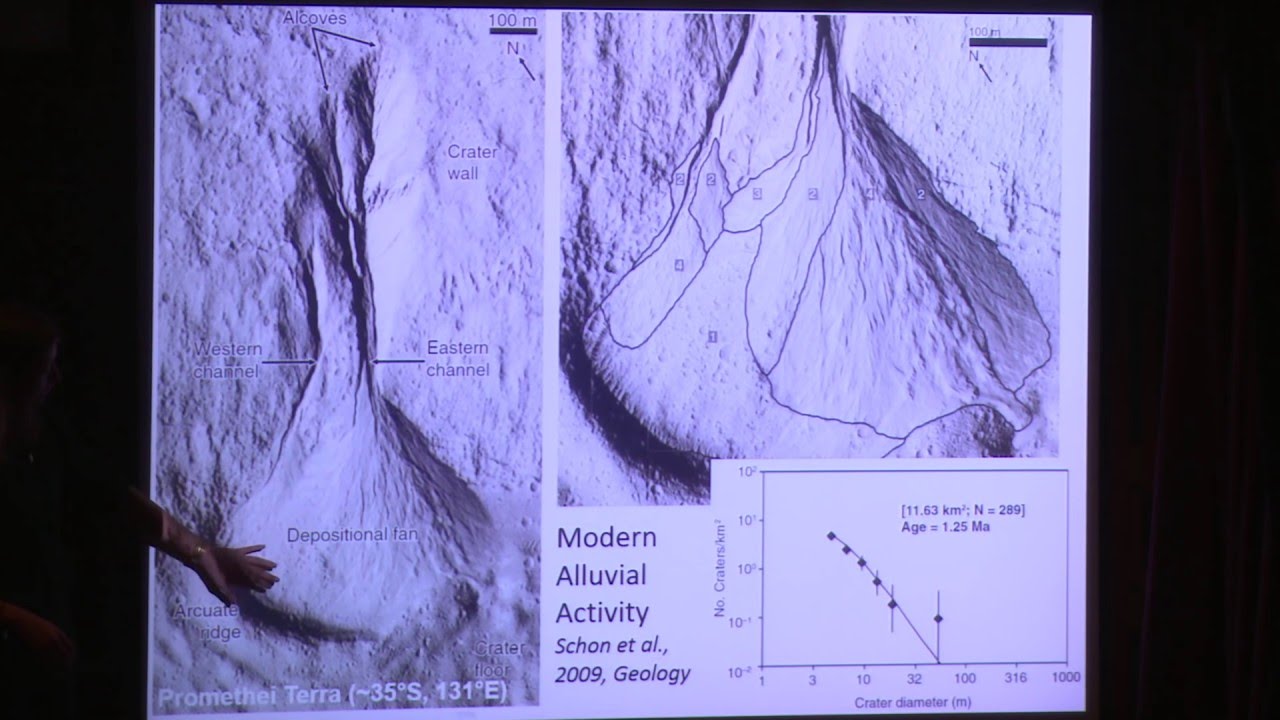
| B. Ehlmann, | Caltech Campus | The History of Liquid Water on Mars (5.45 MB .pdf) (video) |
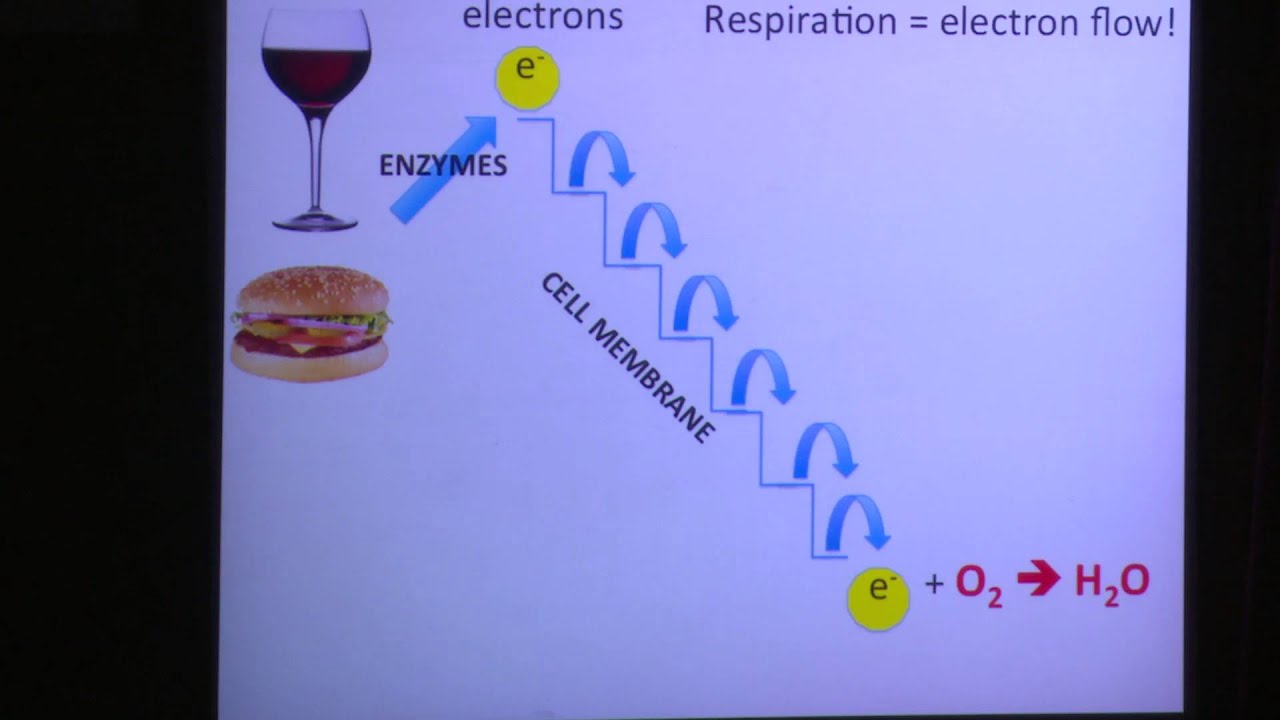
| K. Nealson, | USC | Life in the Martian Context (758 KB .pdf) (video) |
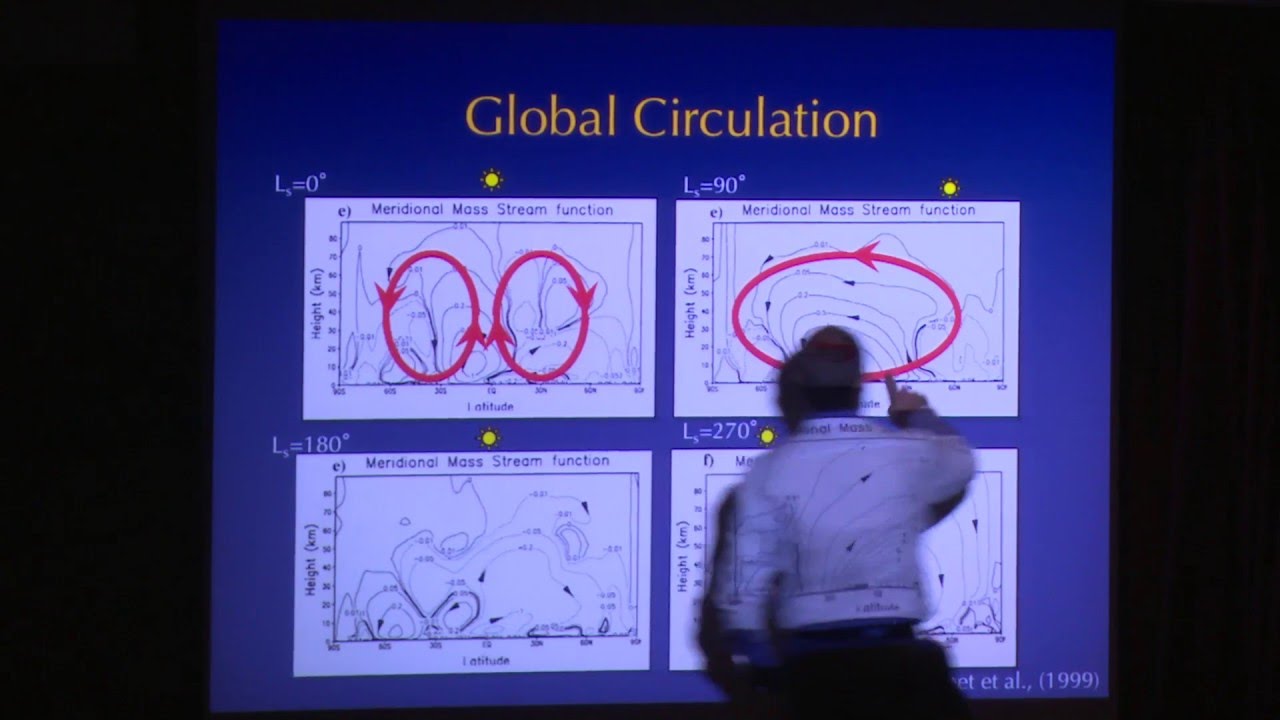
| M. Mischna, | JPL/Caltech | Atmospheric Dynamics: Martian Climate History (3.87 MB .pdf) (video) |
| B. Sherwood Lollar, | University of Toronto | Differentiation of Biotic and Abiotic CH4: (8 MB .pdf) (video) |
| C. Webster, | JPL/Caltech | Atmospheric Chemistry and Methane Measurements (4.89 MB .pdf) (video) |
| S. Atreya, | University of Michigan | Origin of Mars methane, now or in the past (4 MB .pdf) |
| B. Ehlmann, | Caltech Campus | Some background on (1) Martian heatflow, (2) water and physical properties of the Mars subsurface, (3) water‐rock reactions, (4) places of escape of methane (3.64 MB .pdf) |
| G. Etiope, | Istituto Nazionale di Geofisica e Vulcanologia | Potential CH4 seepage on Mars (23.4 MB .pdf) |
| F. Forget | CNRS | The Exomars Trace Gas Orbiter and the search for Methane (7.56 MB .pdf) |
| R. Hu | JPL/Caltech | Hypotheses for Near-Surface Exchange of Methane on Mars (4.5 MB .pdf) |
| F. Lefèvre, | LATMOS, Paris | Martian methane: Fluxes, Lifetimes etc (4.53 MB .pdf) |
| C. Miller, | JPL/Caltech | Methane on Mars: Arctic Methanogenesis Analogs (279 KB .pdf) |
| M. Mumma, | NASA Goddard Space Flight Center | Methane on Mars: Spatial & Temporal Variability (53.3 MB .pdf) (13.8 MB .pdf) |
| R. Oremland | US Geological Survey | Cryptic Anaerobic Oxidation of Methane (CAMO) (1.66 MB .pdf) |
| R. Popa, | USC | SPEAR: Solitary Probe for Electrochemical Analysis and Reporting or Subsurface Penetrator for … (1.39 MB .pdf) |
| M. Russell | JPL/Caltech | Workshop Notes (77 KB .pdf) |
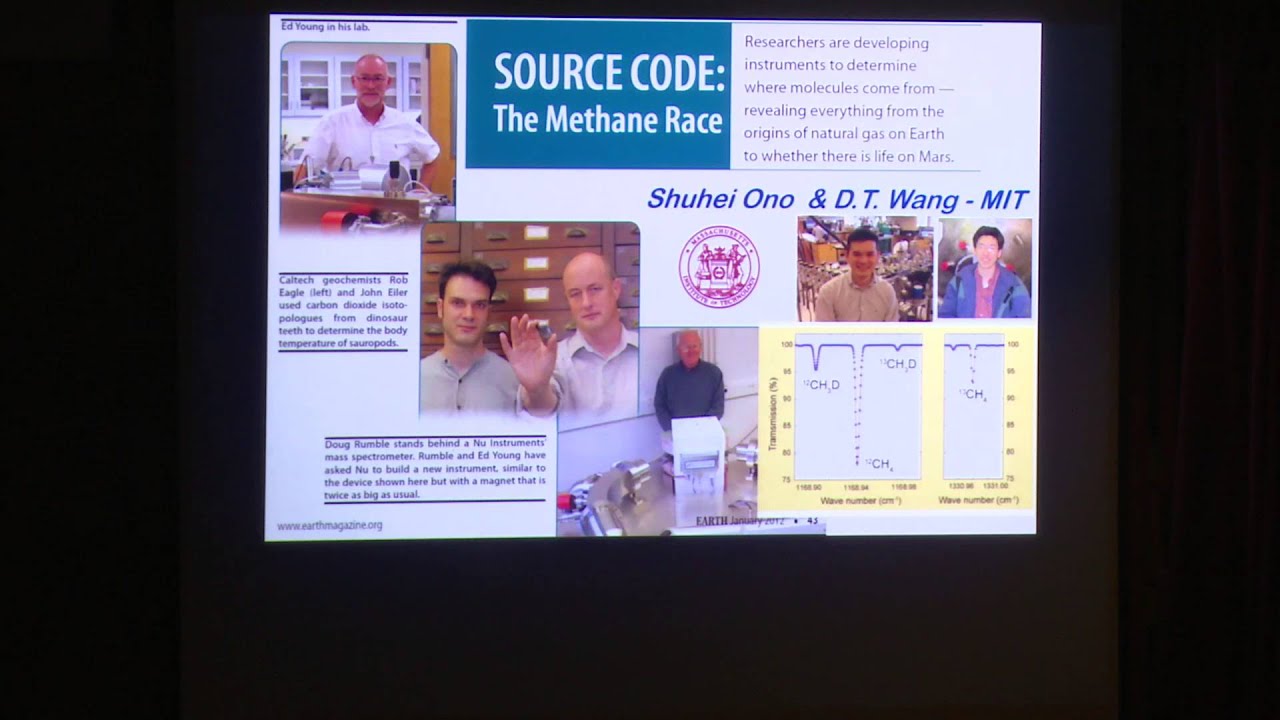
| L. Shen | Caltech Campus | Methane Source and Sink Attributions Using Cavity Ring-down Spectroscopy (1.72 MB .pdf) |
| R. Staehle and S. Spangelo | JPL/Caltech | MarsDROP for Getting Small Payloads to Mars’ Surface: How many would you like, and where would you like them to help resolve questions about methane on Mars? (8.14 MB .pdf) |
| P. Wennberg, | Caltech Campus | An Introducton to the Mars Atmospheric Trace Molecule Occultaton Spectrometer (MATMOS) (7 MB .pdf) |
| Y. Yung, | Caltech Campus | Methane on Mars Study Program – Vision and Goals (1.65 MB .pdf) |
| G. Etiope, | Istituto Nazionale di Geofisica e Vulcanologia | Fast Abiotic Production of Methane At Temperatures <100°C (1 MB .pdf) |
| M. Mumma, | NASA Goddard Space Flight Center | Methane and Related Trace Gases on Mars during 2003-2015, and planned extensions through 2016 (41.4 MB .pdf) |
| M. Russell | JPL/Caltech | Fluctuation relations, bioenergetics and the emergence of life (1.54 MB .pdf) |
| Vlada Stamenkovic | Caltech Campus | Geodynamically Driven Temporal & Local Formation of Hydrogen & Hydrocarbons (3 MB .pdf) |