All interested researchers and students are invited to attend. No registration is required for the short course. Seating is limited and is available on a first come, first served basis.
Program
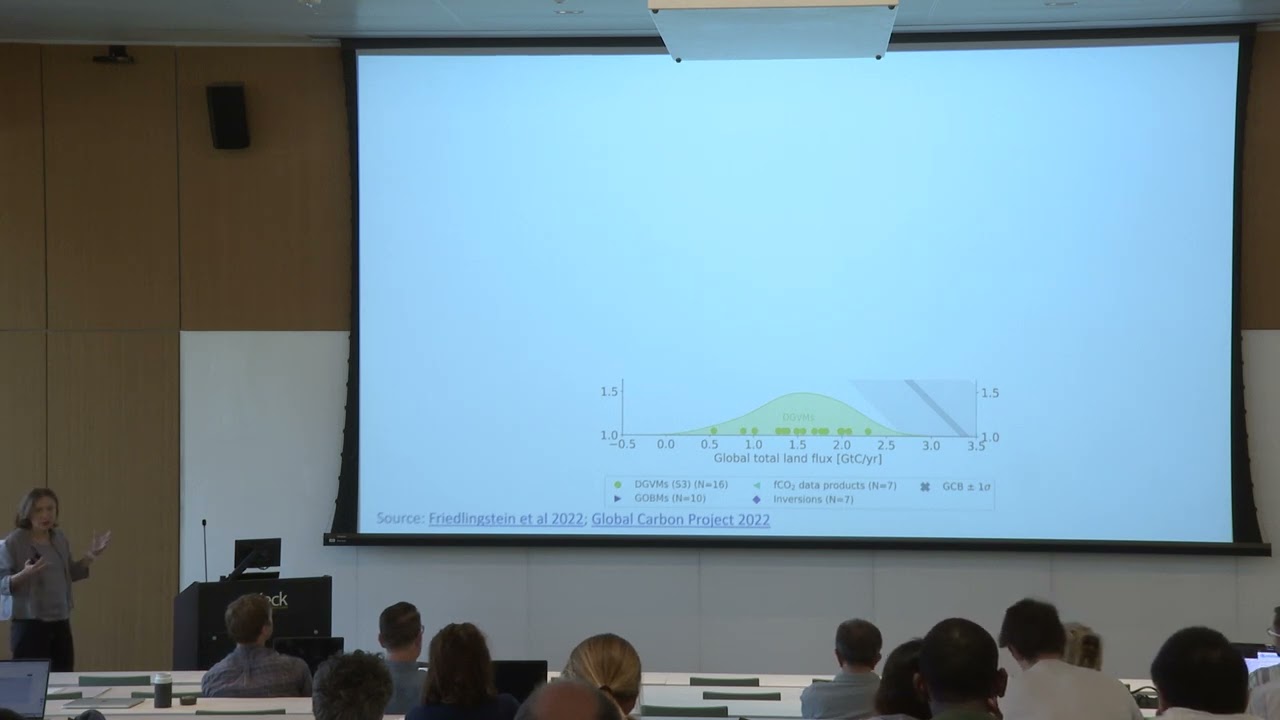
Talk 1 – “Estimating Fluxes in the Carbon Cycle” – Anna Michalak, Carnegie Institution for Science
- The need for understanding of both anthropogenic and natural emissions and uptake of greenhouse gases
- Uncertainties in the fate of anthropogenic greenhouse gas emissions and associated challenges
- The use of atmospheric observations to provide key insights into flux variability
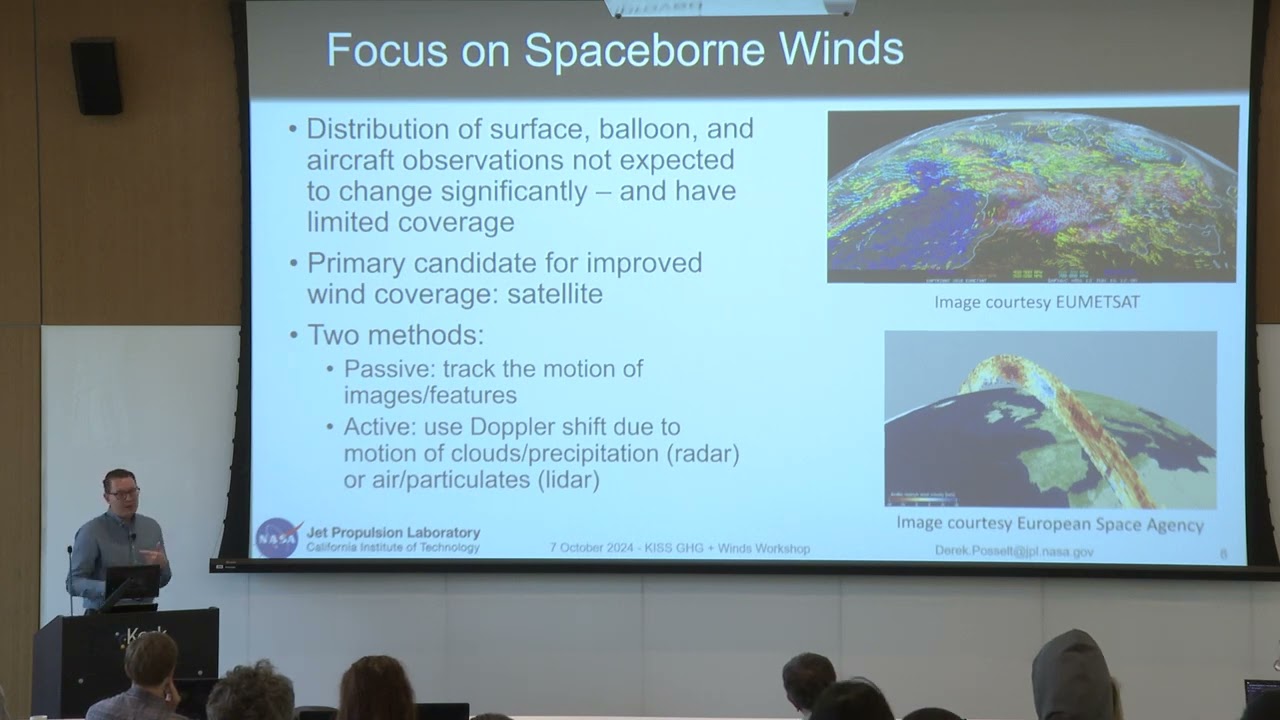
Talk 2 – “Observing Meteorology Across Scales” – Derek Posselt, JPL
- Observations of meteorological variables that are currently made from ground, air, and space
- What we know about the observing system of the 2030’s and beyond
- Current gaps in information (especially on winds)
- Observations of winds and thermodynamic quantities (pressure, temperature, water vapor), including how these connect with sources and transport of GHGs.
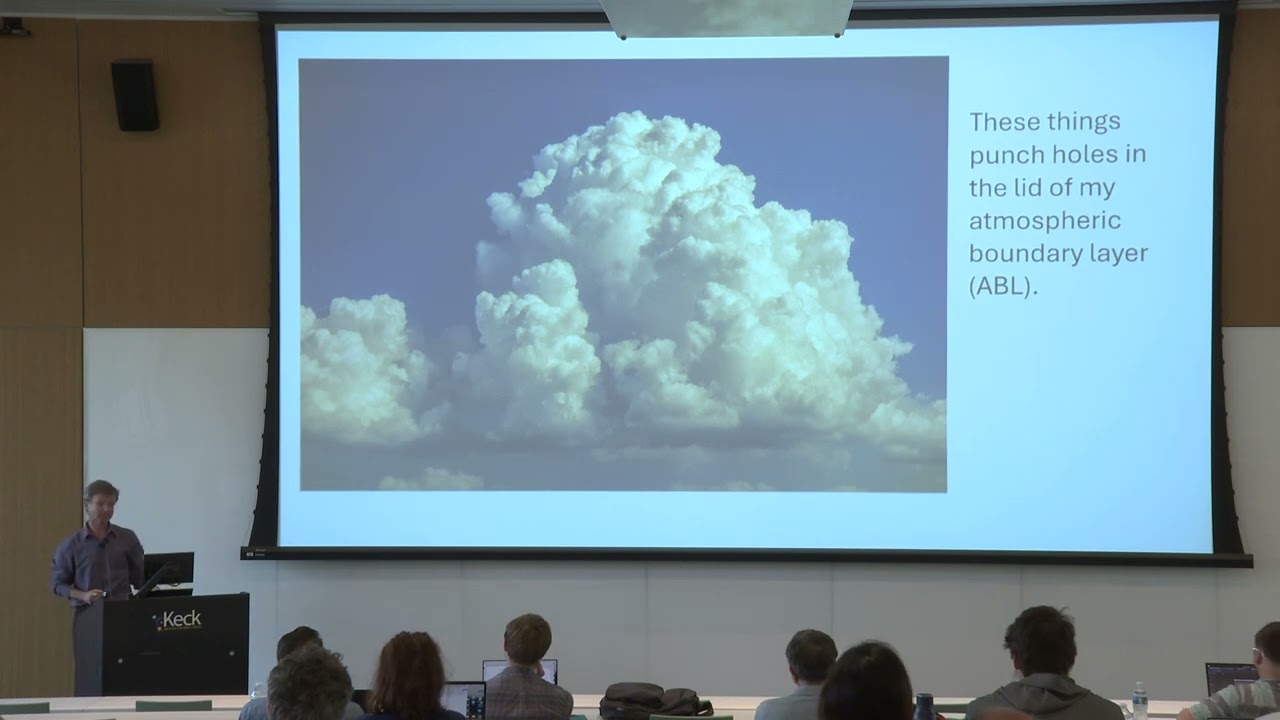
Talk 3 – “Plot to continent: Reflections from studying the terrestrial carbon cycle at multiple scales” – Ken Davis, Pennsylvania State University
- The importance of atmospheric data and greenhouse gas flux audits
- Measuring regional fluxes from the atmosphere given intensive observations, complementing flux towers as test beds.
- The need to develop process-level understanding from well-measured, typical systems – testbeds, rich in multi-scale observations.
- The need for observations to build model ensembles and the role of both flux and weather ensembles for atmospheric inversions.
- The challenge of weather and the importance of data beyond atmospheric measurements.
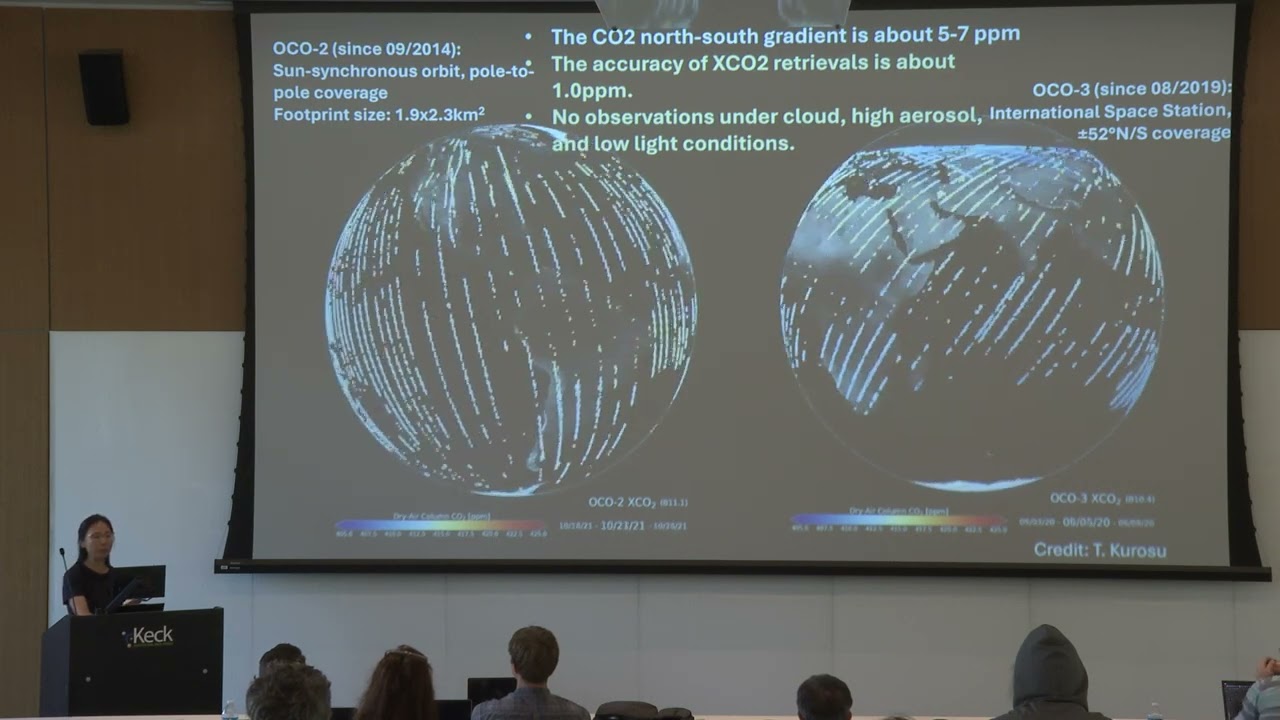
Talk 4 – “Maximizing the role of atmospheric CO2 observations in shaping carbon cycle science and carbon-climate policy” – Junjie Liu, JPL
- Atmospheric CO2 concentration as the ultimate measure of the changes in the natural carbon cycle and the impact of climate policies.
- The challenges in using atmospheric CO2 observations
- Pathways to maximize the role of atmospheric CO2 observations in addressing carbon cycle science questions and shaping carbon-climate policy
Short Course Presentations
| Speaker | Affiliation | Presentation |
|---|---|---|
| Anna Michalak | Carnegie Institute for Science | Estimating Fluxes in the Carbon Cycle (.pdf) |
| Derek Posselt | JPL | Observing Meteorology Across Scales (.pdf) |
| Kenneth Davis | Pennsylvania State University | Plot to continent: Reflections from studying the terrestrial carbon cycle at multiple scales (.pdf) |
| Junjie Liu | JPL | Maximizing the role of atmospheric CO2 observations in shaping carbon cycle science and carbon-climate policy (.pdf) |