All interested faculty, researchers and students are invited to attend. The videos from this short course are posted at the bottom of the webpage.
Speakers
- Valerie Fox – Caltech
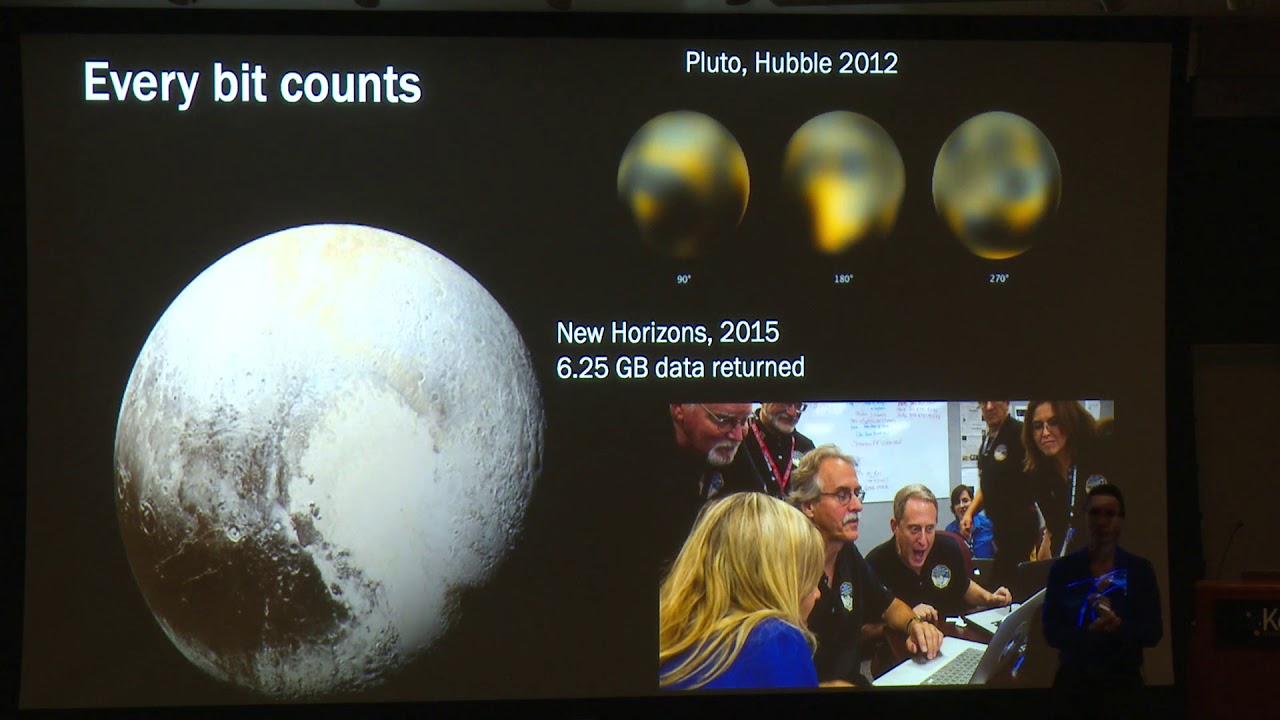
Big Planets, Big Questions, Big Data: Planetary Remote Sensing Data ChallengesGoal: Provide an overview of planetary remote sensing and exploration, and the types of questions that need a paradigm change in exploration models to answer- Introduction to remote sensing – how we use the electromagnetic spectrum to explore the solar system
- Scale and scope of extant data sets for the terrestrial planets
- Outstanding decadal scale questions in space science
- Current exploration models (i.e. how an orbiter collects data or how a rover collects data, and identify growth points and constraints)
- Rich Doyle – JPL
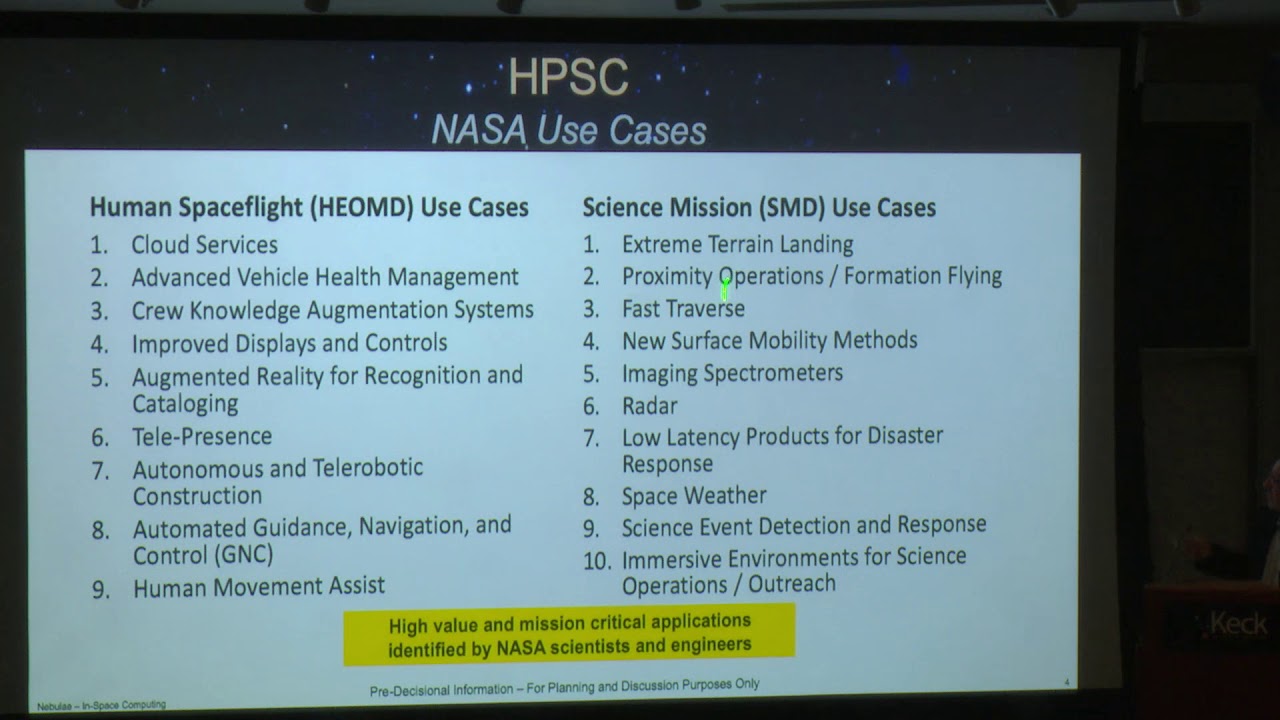
Reinventing the Role of Computing in SpaceGoal: Describe future space mission needs for flight computing, current investments by NASA and the USAF, and relate to cloud computing across the solar system- Future space mission needs for more capable flight computing with strategic possibilities, for both science and human spaceflight
- High Performance Spaceflight Computing (HPSC) – a joint investment by NASA and the USAF
- Technical and architectural advantages of HPSC, with use cases
- Status of HPSC development
- How HPSC supports the Nebulae vision
- Les Deutsch – JPL
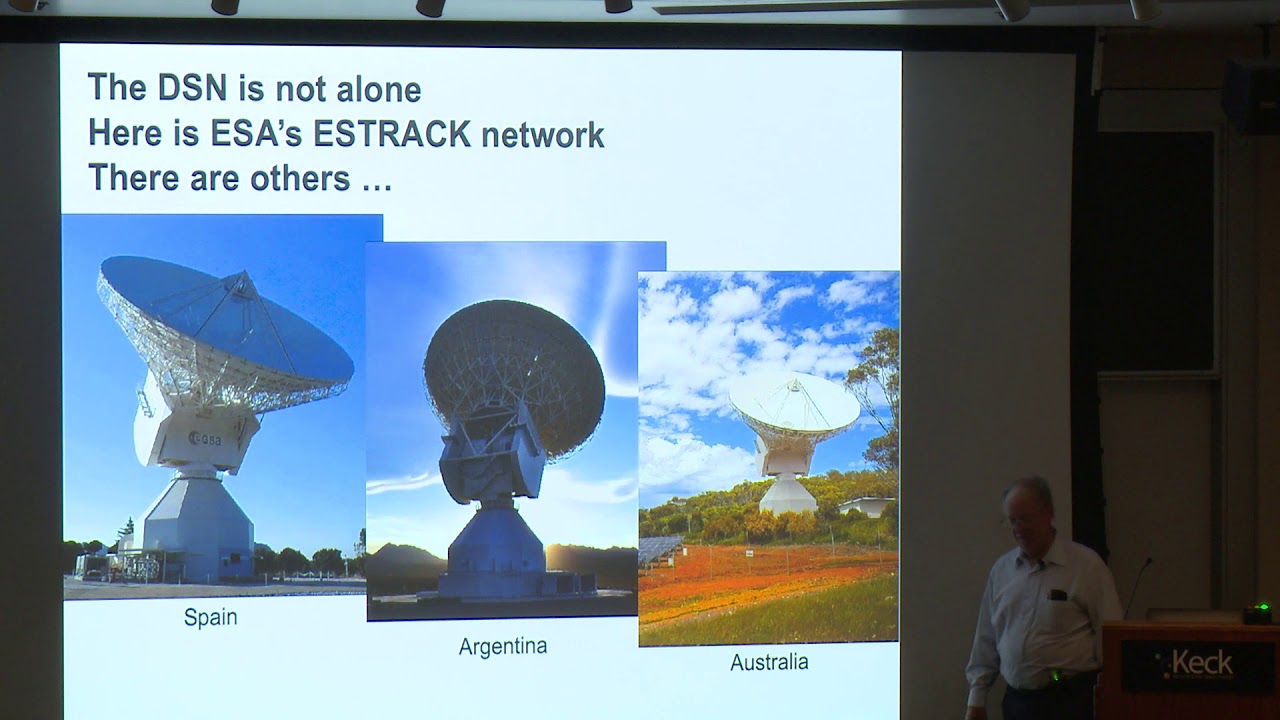
Today’s Deep Space Communications System: The Earth-Based ElementsGoal: Provide a common understanding of the current system, providing a baseline from which we can start- Today’s deep space communications Earth terminals – including the Deep Space Network (DSN)
- How do we move data between deep space to scientists
- The NASA Planetary Data System (PDS)
- Scheduling every bit
- Scalability (or lack thereof)
- Jason Tichy – NVIDIA
Lukas Mandrake – JPL
Future Computing Architectures for Signal Processing, AI, and Autonomy for Space VehiclesGoal: Introduction to how sensor data is being processed today and how it is informing architectures in the future- The need for compute is exploding, on the ground and in the sky
- Limitations of the current space architecture
- What needs to improve in order to make next generation advancements in space
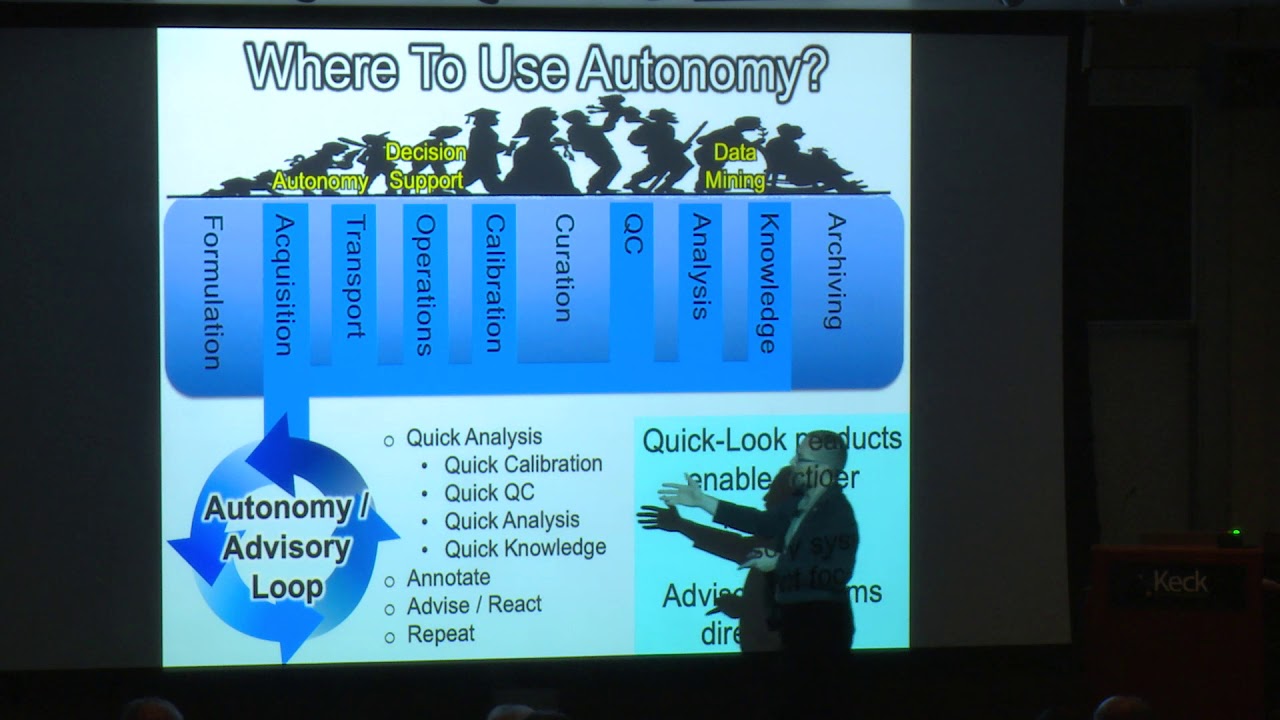
- Autonomy drivers (data prioritization, agile reaction, experimental design, anomaly detection, change detection)
Short Course Presentations
| Speaker | Affiliation | Presentation |
|---|---|---|
| Valerie Fox | Caltech | Big Planets, Big Questions, Big Data: (76.5 MB .pdf) |
| Rich Doyle | JPL | Reinventing the Role of Computing in Space (9 MB .pdf) |
| Les Deutsch | JPL | Today’s Deep Space Communications System: (3.4 MB .pdf) |
| Jason Tichy (NVIDIA) and Lukas Mandrake (JPL) | Future Computing Architectures for Signal Processing, AI, and Autonomy for Space Vehicles (1.3 MB .pdf) (38.3 MB .pdf) |