All interested researchers, students and faculty from local research organizations are invited to attend.
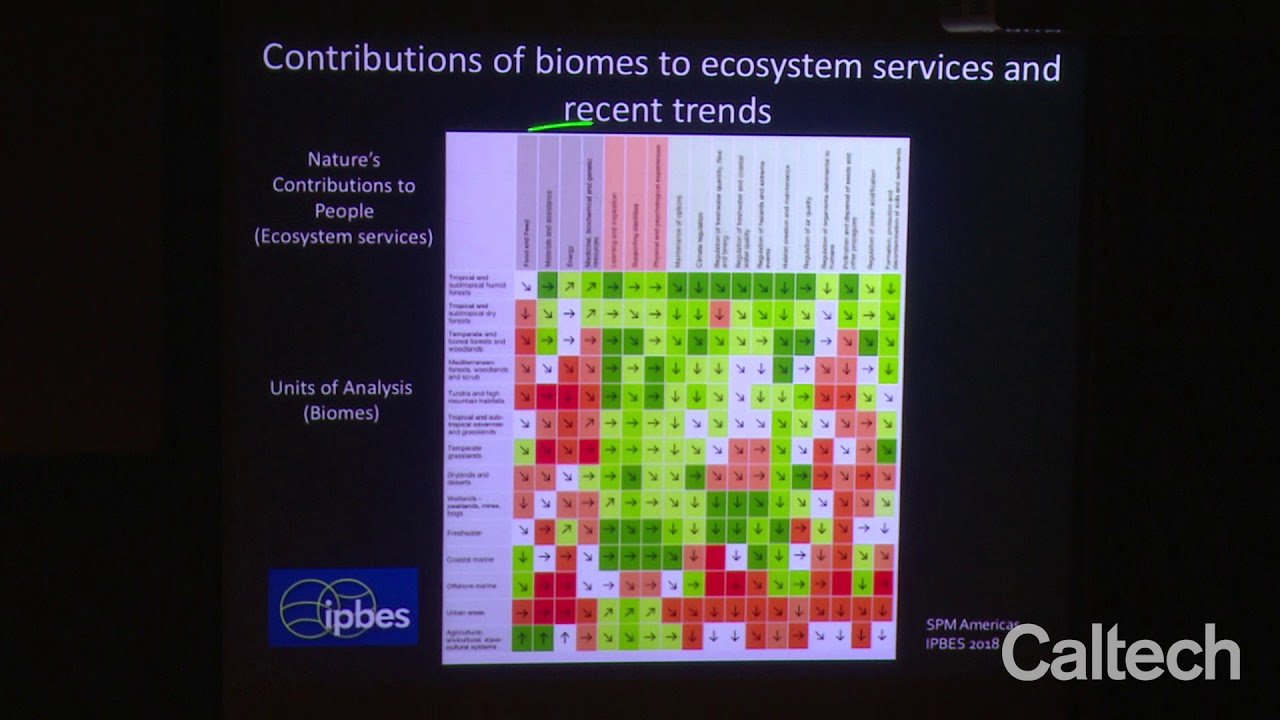
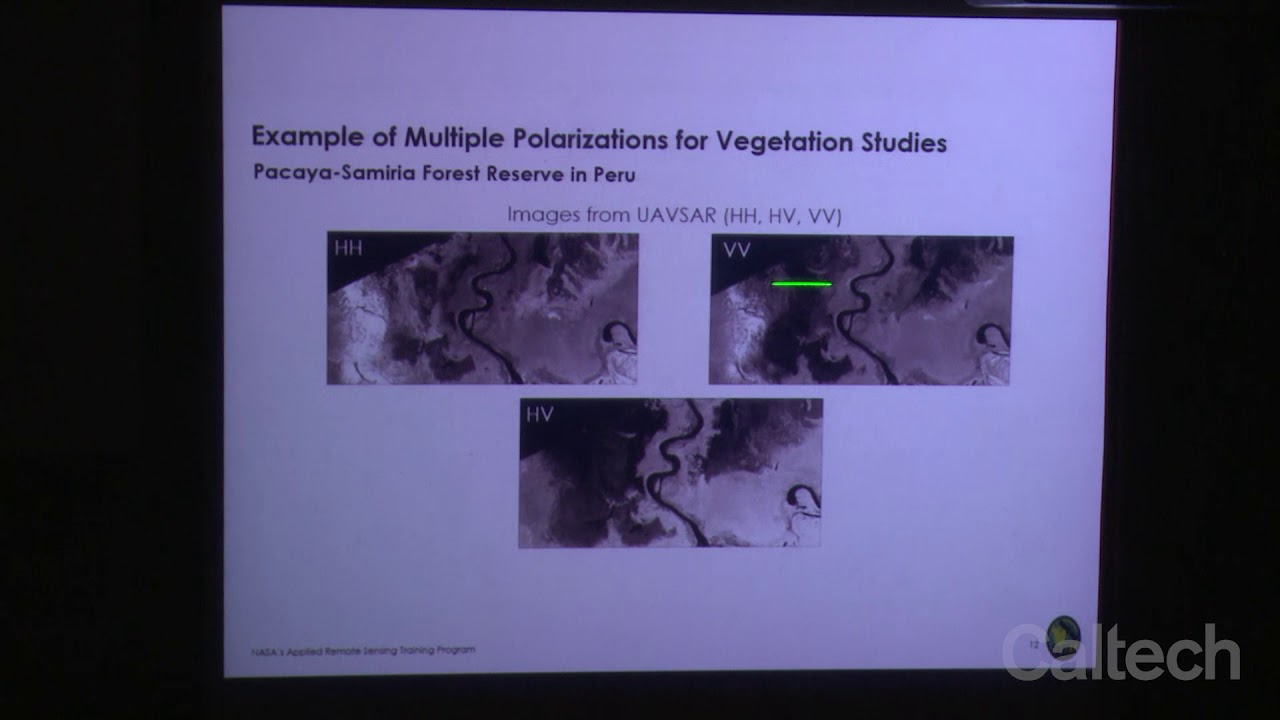
Biodiversity science integrates processes across varying temporal and spatial scales. The use of remote sensing techniques utilizing datasets from Earth-orbiting satellites to characterize and monitor biodiversity across broad, remote and logistically challenging ecosystems is emerging as a promising approach for supporting biodiversity assessment with the potential for significant breakthroughs in associated biological and Earth sciences. This short course will cover fundamentals of biodiversity science, associated biological concepts, and species distribution modeling, and will discuss the utility of remote sensing measurements for supporting biodiversity science. Remote sensing technologies discussed include imaging spectroscopy, microwave sensors, lidar, and SIF. The course provides an introduction to critical fundamental concepts and technologies for science policy as related to biodiversity science.
An informal lunch will follow for all attendees. Seating is limited and is first come, first served.
Speakers
-
“Biodiversity Science” – Prof. Jeannine Cavender-Bares,
University of Minnesota - “Remote Sensing Physics and Measurements” –
Prof. Kyle McDonald, CCNY-CUNY/JPL - “Imaging Spectroscopy from Space” –
Prof. Phil Townsend, University of Wisconsin - “Species Distribution Modeling” –
Dr. Robert Guralnick,
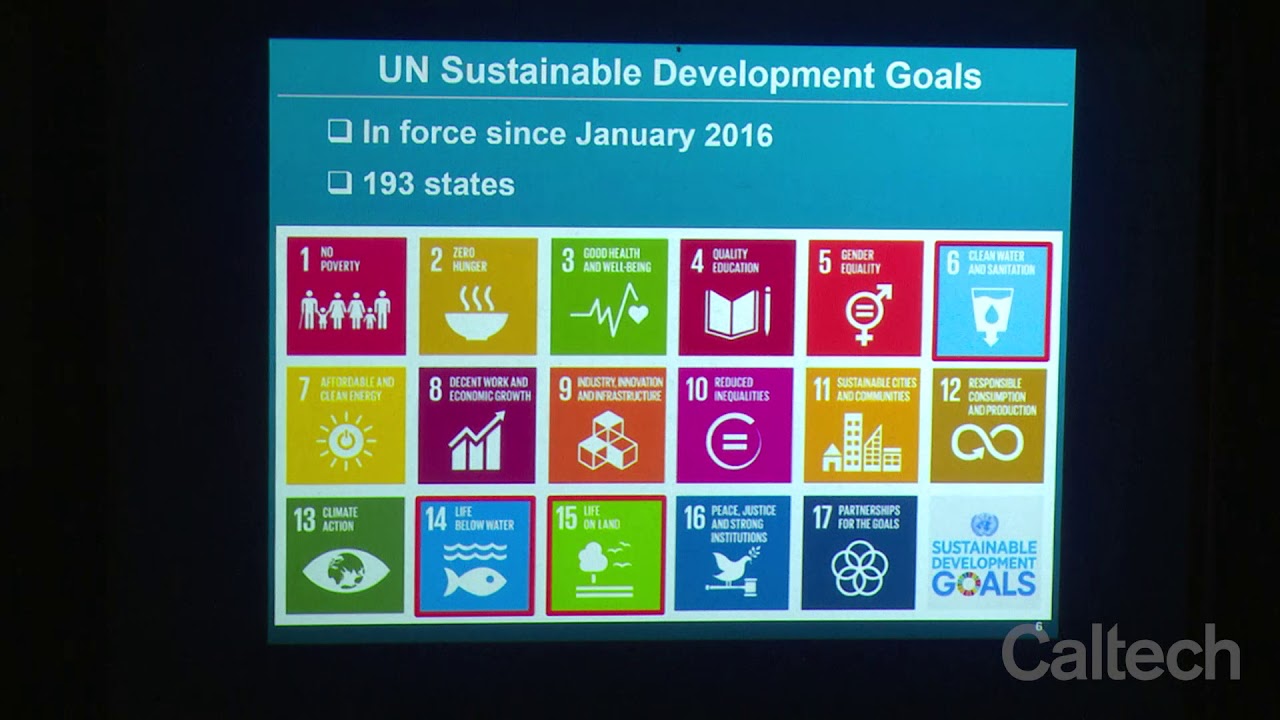
Florida Museum of Natural History - “Biodiversity Policy and Assessing Progress Toward Policy Goals” –
Dr. Gary Geller, JPL
Short Course Presentations
| Speaker | Affiliation | Presentation |
|---|---|---|
| Jeannine Cavender-Bares | University of Minnesota | Biodiversity Science (223 MB .pdf) |
| Kyle McDonald | CCNY-CUNY/JPL | Remote Sensing Physics and Measurements (6 MB .pdf) |
| Phil Townsend | University of Wisconsin | Imaging Spectroscopy from Space (146 MB .pdf) |
| Robert Guralnick | Florida Museum of Natural History | Species Distribution Modeling (3.8 MB .pdf) |
| Gary Geller | JPL | Biodiversity Policy and Assessing Progress Towards Policy Goals (2.27 MB .pdf) |