Program
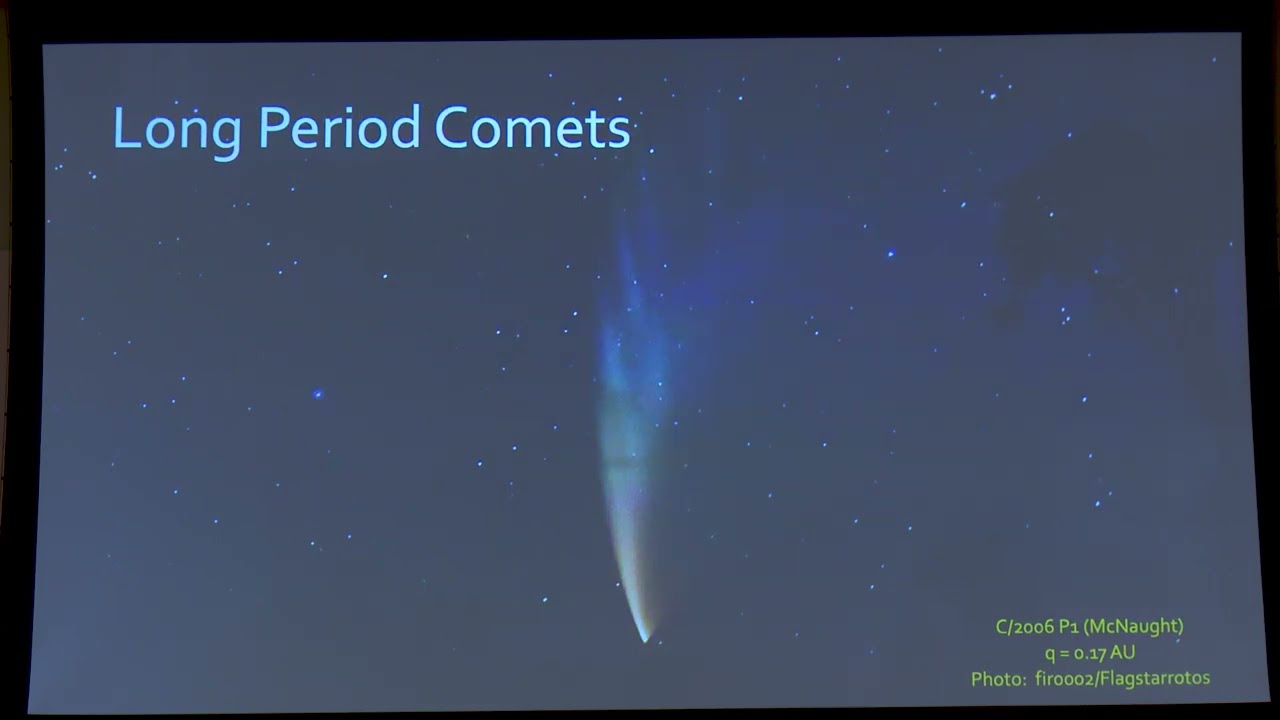
Lecture 1 – “ISO, LPC, and NEO Science” – Karen Meech
Goal: To provide the science foundation for why we want to visit these key targets.
- A brief history of the science and exploration of these targets
- Key questions we would like to address at these various targets
- What can we learn from the ground vs what can we learn from dedicated spacecraft
- What types of instruments would we like to fly
- Key differentiators between target types (e.g. active, inert) and how specific parameters of a target might drive changes to the questions we’d like to address
Lecture 2 – “Importance of ISOs, LPCs, and NEOs to NASA and the Decadal Survey” – Carol Raymond
Goal: To establish context of the timeliness of this workshop and NASA priorities.
- Key science questions prioritized by the DS regarding small bodies
- Synergy between science-driven rapid response architectures and planetary defense rapid response architecture
- NASA mission classes and where a rapid response mission might fit programmatically
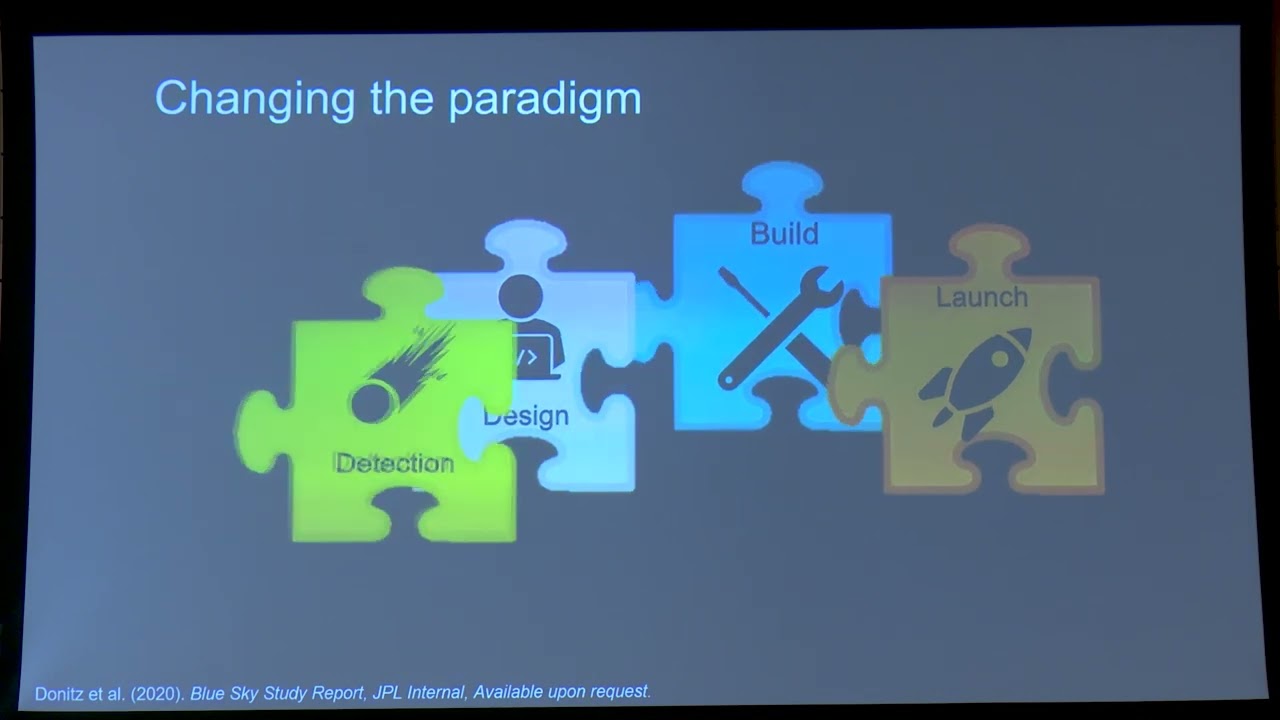
Lecture 3 – “The Importance and Challenges of Rapid Response” – Kimee Moore and Benji Donitz
Goal: To explain why we need to change our current method of formulation and implementation to accommodate rapid response.
- General timelines of detection-to-response
- The durations of time it “usually” takes NASA to formulate and implement a mission concept
- Key findings and identified challenges from rapid response studies
- What can rapid response enable? Can we send a mission to an ISO, LPC, or NEO without rapid response?
Lecture 4 – “Rapid Response Today – Comet Interceptor” – Geraint Jones
Goal: To inform the community on how rapid response is being implemented today in Comet Interceptor.
- What lead to Europe funding Comet Interceptor and what lessons can we take away from that process?
- What architecture decisions led to CI today?
- What are the limitations of CI and how might we implement rapid response differently in the future?
- What instruments are on CI and what science objectives will it address?
Short Course Presentations
| Speaker | Affiliation | Presentation |
|---|---|---|
| Karen Meech | University of Hawaii | ISO, LPC, and NEO Science (.pdf) |
| Carol Raymond | JPL | Importance of ISOs, LPCs, and NEOs to NASA and the Decadal Survey |
| Kimee Moore and Benji Donitz | JPL | The Importance and Challenges of Rapid Response (.pdf) |
| Geraint Jones | University College London | Rapid Response Today – Comet Interceptor (.pdf) |