All interested researchers and students are invited to attend. No registration is required for the short course. Seating is limited and is available on a first come, first served basis.
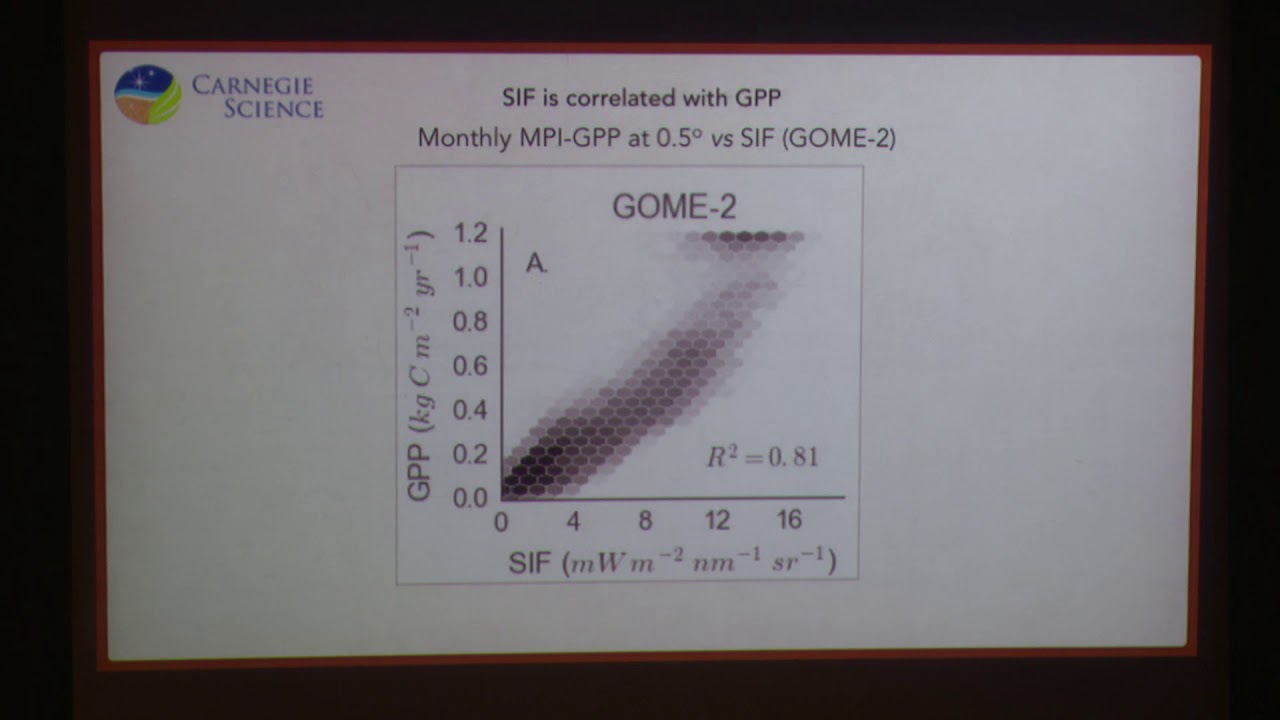
Terrestrial photosynthesis is the fundamental process that converts carbon, water, and sunlight into chemical energy, resulting in a coupling between global cycles of carbon, water, and energy. The rate of photosynthesis is driven by incoming radiation and water availability, modulates atmospheric carbon, and in turn releases water vapor that can drive cloud distributions and rainfall. Currently, the most productive region on Earth, the tropical biosphere, remains a critical blind spot in our attempts to understand photosynthesis. Even groundbreaking satellite observations of solar-induced chlorophyll fluorescence (SIF) are largely obscured by the persistence of tropical clouds. What lies beneath these clouds is the central enigma of the carbon cycle. The coupled analysis of carbonyl sulfide (OCS) retrievals with satellite-based SIF and CO2 data, could provide a new window into the carbon cycle and a revolution in our understanding of carbon-climate feedbacks and crop monitoring.
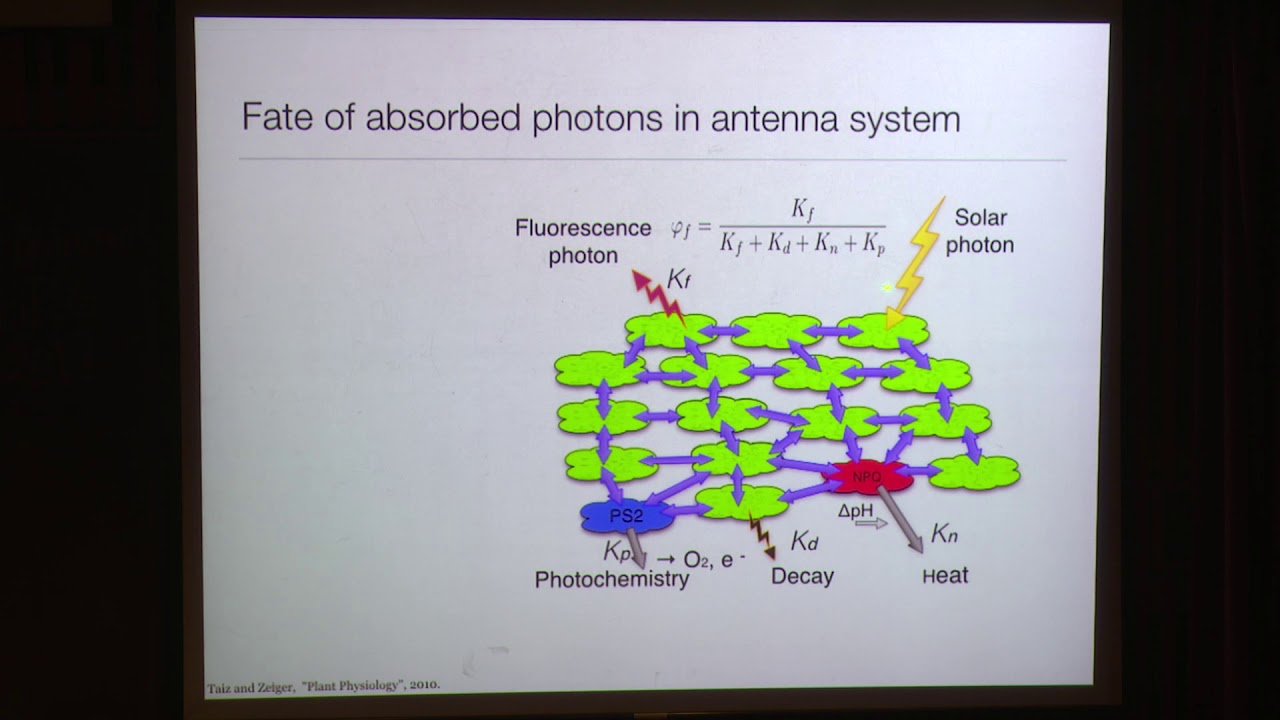
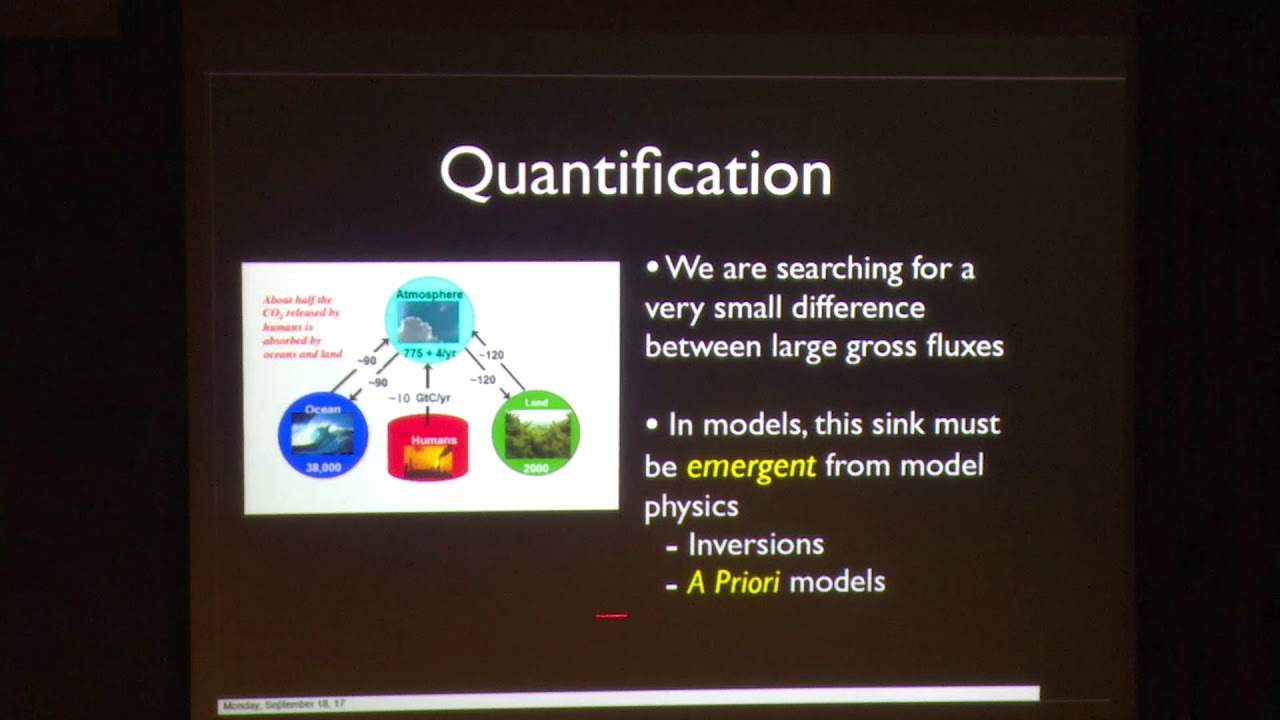
This short course will cover the relationship of OCS and SIF to photosynthesis from the leaf to global scales; the state of the art for current applications of SIF and OCS to understanding the Earth’s biosphere; and the status of our current carbon cycle models that simulate photosynthesis.
Speakers
- “New Tools for Investigating the Carbon Cycle: The Background ” – Dr. Joe Berry, Carnegie Institute for Science/Stanford
- “Remote Sensing of Solar Induced Chlorophyll Fluorescence: The Past, Present and Future ” – Prof. Christian Frankenberg, Caltech Campus
- “What Carbonyl Sulfide Teaches us About Earth’s Biosphere ” – Prof. Elliott Campbell, UC Santa Cruz
- “Incorporating Observations of OCS and SIF into Carbon Cycle Models ” Dr. Ian Baker, Colorado State University
Short Course Presentations
| Speaker | Affiliation | Presentation |
|---|---|---|
| Ian Baker | Colorado State University | Incorporating Observations of OCS and SIF into Carbon Cycle Models (5.5 MB .pdf) |
| Joe Berry | Carnegie Institution for Science/Stanford | New Tools for Investigating the Carbon Cycle: (17 MB .pdf) |
| Elliott Campbell | UC Santa Cruz | What Carbonyl Sulfide Teaches us About Earth's Biosphere (3.79 MB .pdf) |
| Christian Frankenberg | Caltech | Remote Sensing of Solar Induced Chlorophyll Fluorescence: The Past, Present and Future (24.3 MB .pdf) |