Program
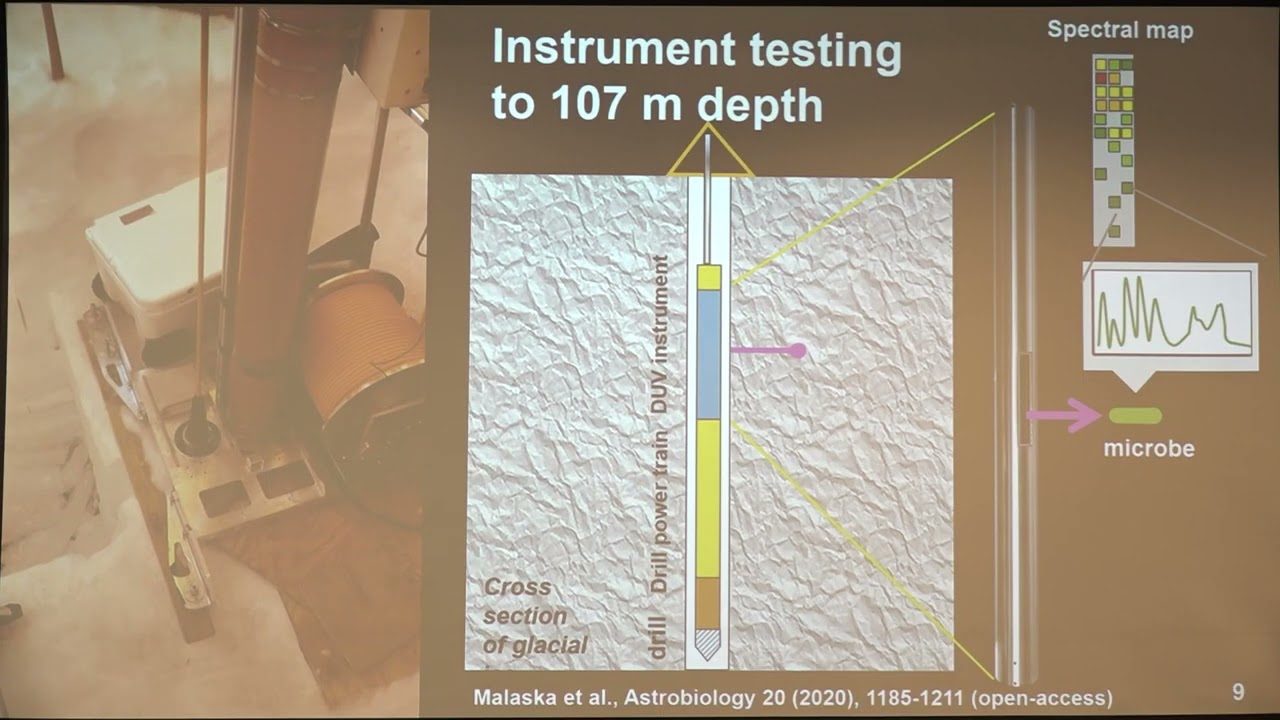
Lecture 1 – “Ocean World Microhabitats 101” – Mike Malaska
Goal: Provide background and overview about Ocean World microhabitats.
- What are microenvironments? Why should we care?
- Where are they found?
- How do they form?
- Where would they be on other planets?
- How have we detected them on Earth?
- What are their scales?
- What are implications for planetary exploration?
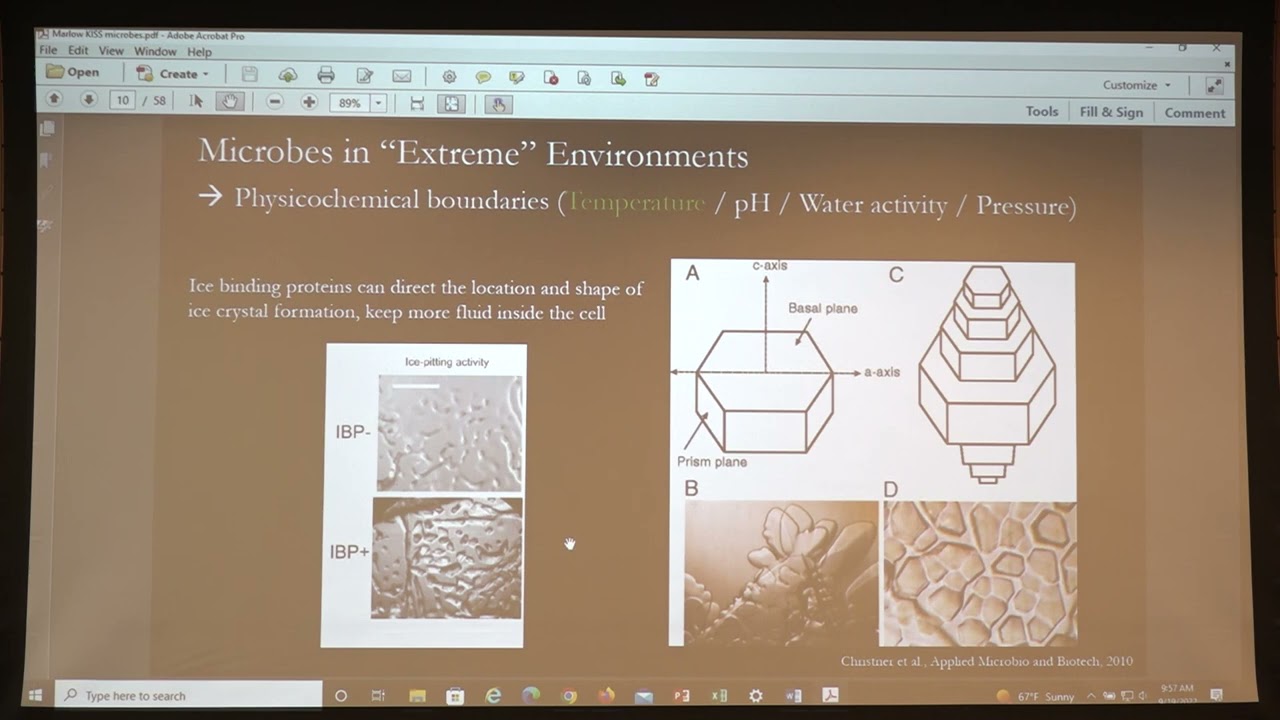
Lecture 2 – “Microbes of Extreme Environments” – Jeff Marlow
Goal: Provide context about the microbes and biosignatures that could inhabit microenvironments in extreme environments on Earth (Biology 101).
- Microbiology of microbes that we would find in likely microenvironments (“micro” x 3!);
- Microhabitat energy gradients;
- Microhabitat microbe metabolisms;
- Diversity of microbes we find here on Earth;
- Implications for astrobiology of Ocean Worlds*
- Implications for astrobiology of Mars permafrost and polar caps.
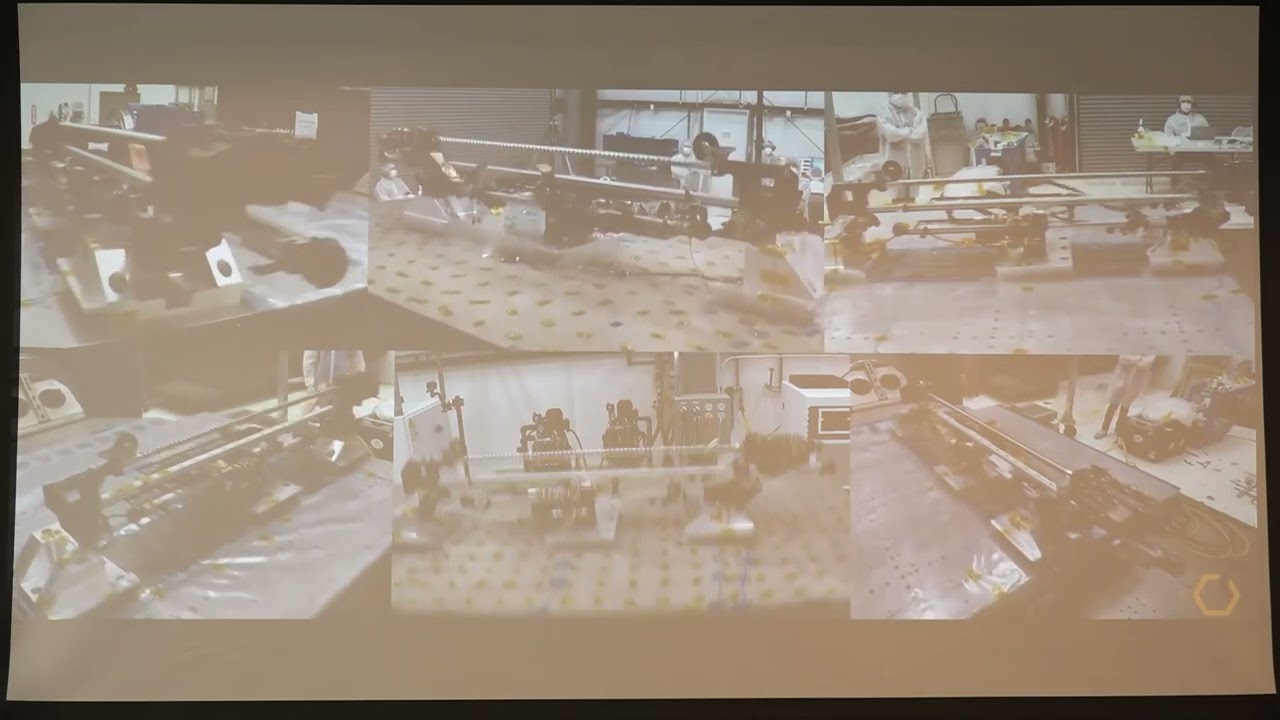
Lecture 3 – “Robotic acquisition techniques” – Kris Zacny
Goal: provide an introduction to different techniques to obtain a sample from ice or rock.
- Small scale robotic sampling (drilling, grabbing) 101;
- Drilling/getting samples in ice;
- Drilling/getting samples in rocks;
- Acquisition: getting from the drill (grabber) into the device;
- How do we do this during planetary exploration?
- What is state of the art for small scale sample acquisition?
- What are limits and constraints? What are the big technical challenges to go really small to mm scale?
Lecture 4 – “Geochemistry, Biosignature and Life Detection Techniques” – Mary Beth Wilhelm
Goal: Describe the fundamentals of sample extraction, analysis, biosignatures, and instrumentation.
- Extracting the sample: how do we get stuff out of ice or rock? (or cells)
- Extraction techniques and instrumentation.
- What is a “biosignature”?
- What are typical biosignatures?
- What kinds of instruments are used to identify biosignatures? (instrumentation 101)
- What kinds of instruments can be used on really small sample volumes?
Short Course Presentations
| Speaker | Affiliation | Presentation |
|---|---|---|
| Mike Malaska | JPL | Ocean World Microhabitats 101 (3.8 MB .pdf) |
| Jeff Marlow | Boston University | Microbes of Extreme Environments (9.5 MB .pdf) |
| Kris Zacny | Honeybee Robotics | Robotic acquisition techniques (6.9 MB .pdf) |
| Mary Beth Wilhelm | NASA Ames Research Center | Geochemistry, Biosignature and Life Detection Techniques (11.3 MB .pdf) |