Program
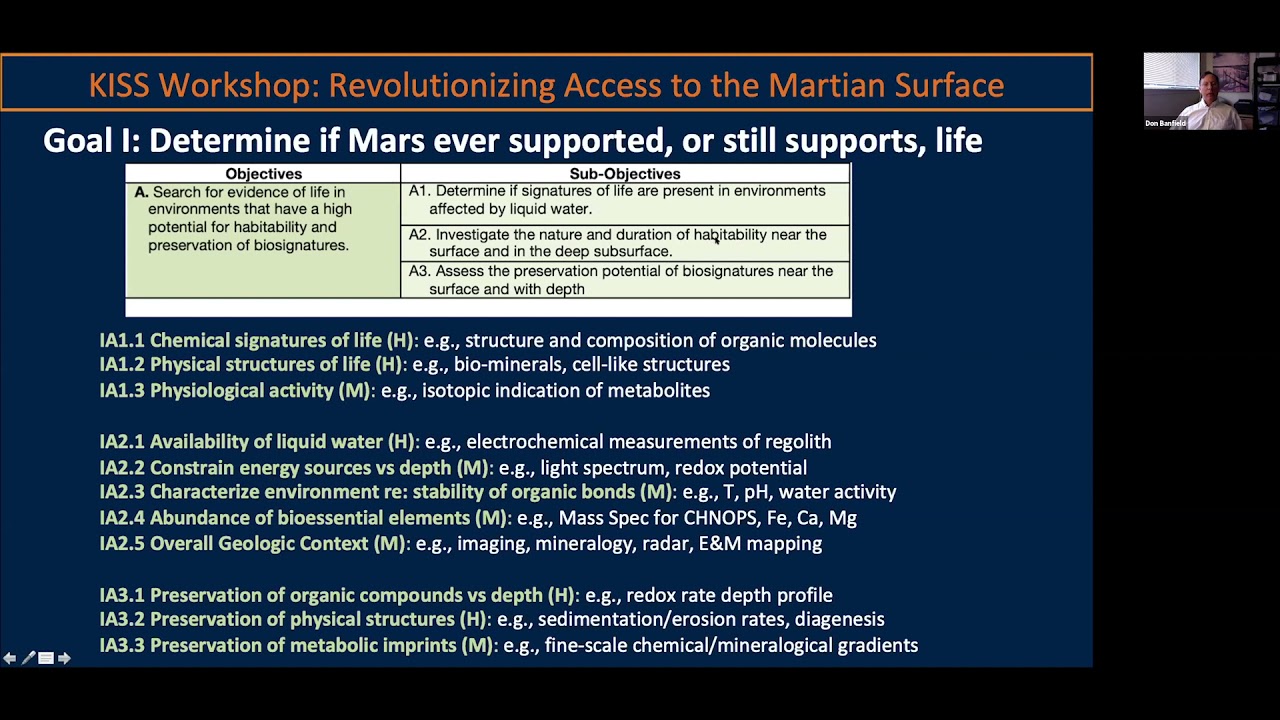
- What are the current high priority Mars science goals?
- Which can only be answered through in situ science?
- What measurements are needed to address these goals?
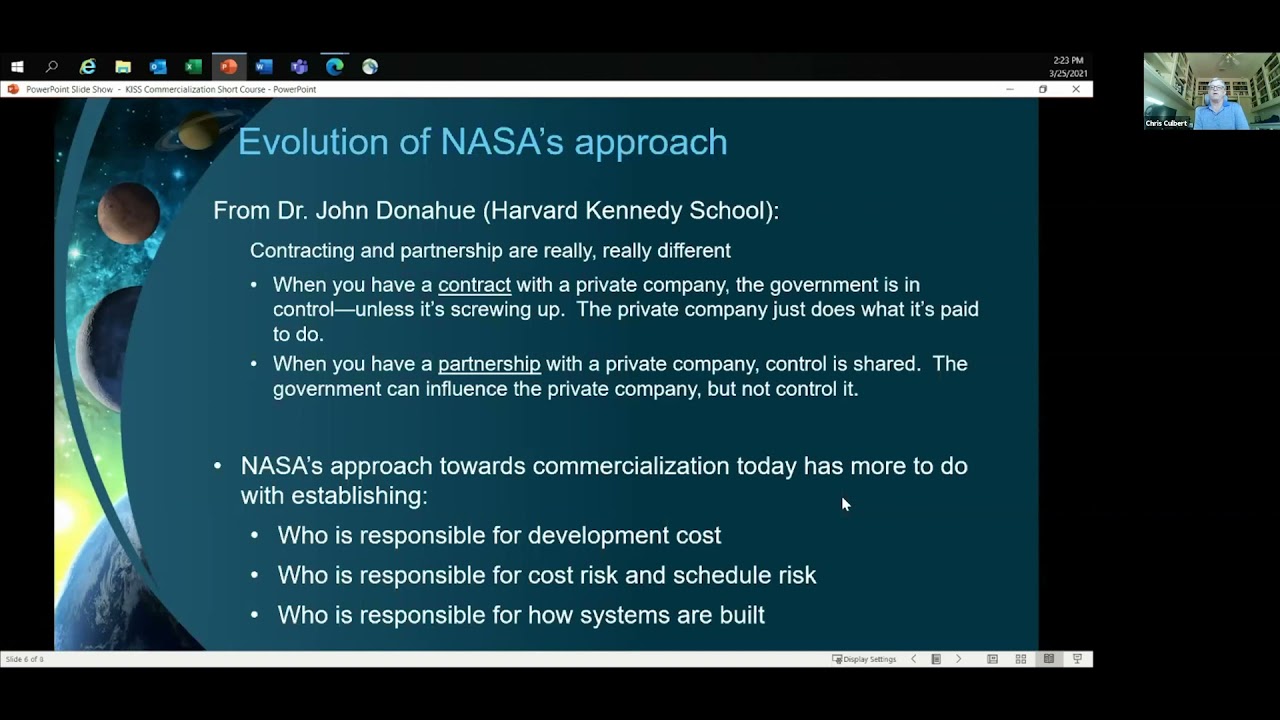
- What do we mean by commercialization?
- How has NASA’s approach toward commercialization evolved?
- What is the government’s role versus commercial roles and how is that changing?
- What are commercial interests/needs in LEO, in cis-lunar, and Mars?
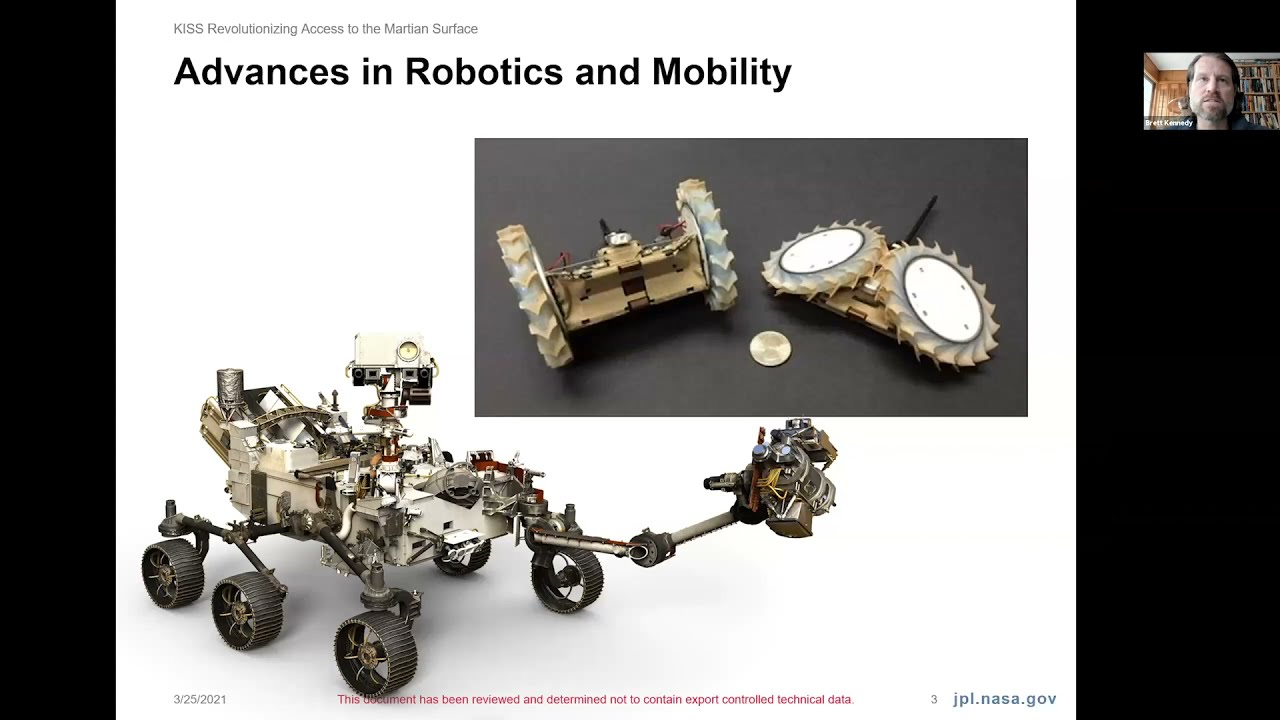
- What are we talking about when we say “robotic mobility system”?
- What advances in technology can affect access to the Martian surface?
- What advances in philosophy can affect access to the Martian surface?
- What might it look like if we apply those advances?
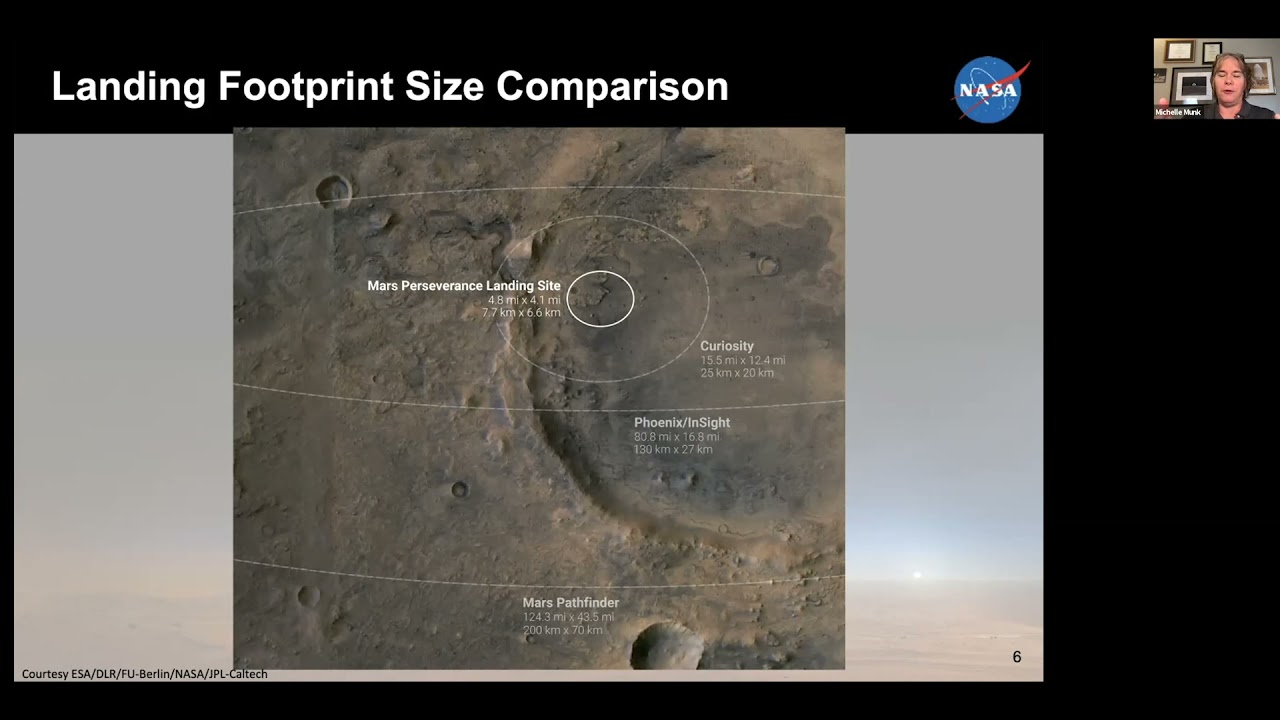
- What is the state of the art for EDL at Mars today?
- What needs to be matured in EDL for future science missions to Mars?
- Will science missions benefit for EDL advances for human Mars missions?
- Are there any significant new capabilities that science missions can take advantage of?
“Driving Science Questions for Mars” – Don Banfield – Cornell
“Growth of Commercial Space” – Chris Culbert – NASA JSC
“Advances in Robotics and Mobility” – Brett Kennedy – JPL
“Entry Descent and Landing on Mars” – Michelle Munk – NASA Space Technology Mission Directorate
Short Course Presentations
| Speaker | Affiliation | Presentation |
|---|---|---|
| Don Banfield | Cornell | Driving Science Questions for Mars (3.5 MB .pdf) |
| Chris Culbert | NASA JSC | Growth of Commercial Space (514 KB .pdf) (.pdf) |
| Brett Kennedy | JPL | Advances in Robotics and Mobility (900 KB .pdf) |
| Michelle Munk | NASA Space Technology Mission Directorate | Entry Descent and Landing on Mars (4.3 MB .pdf) |