Workshop Overview:
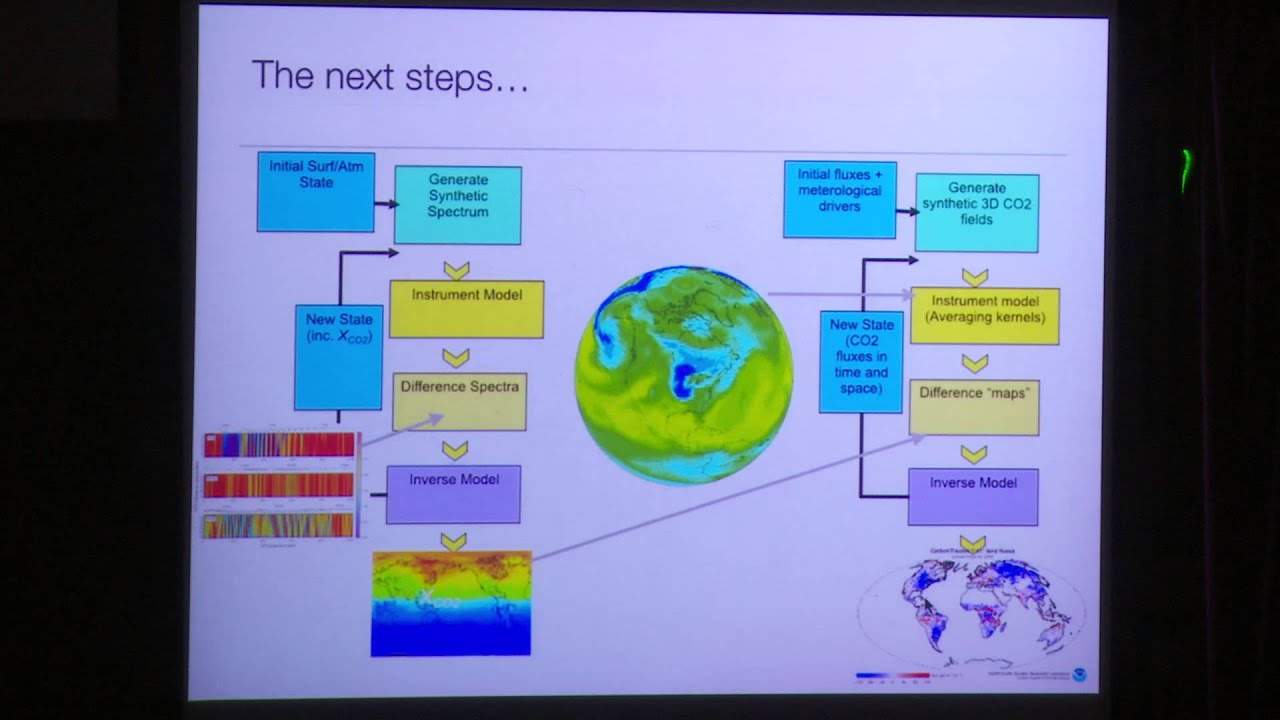
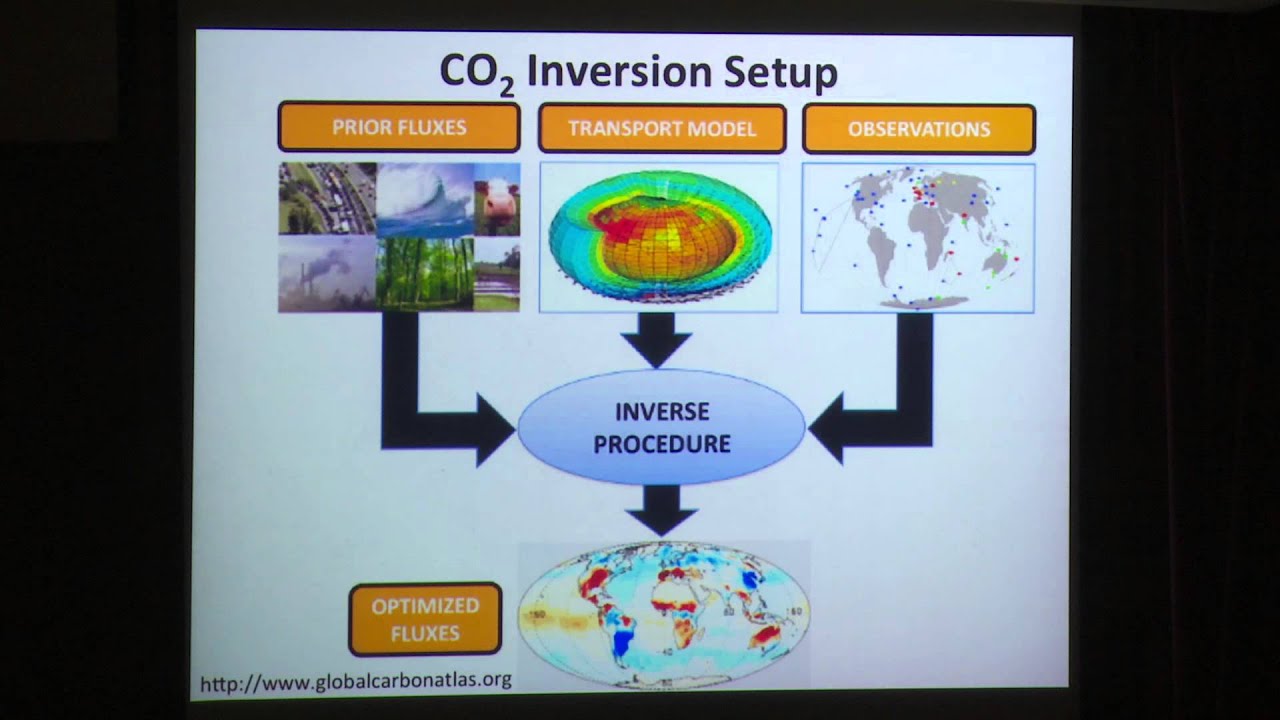
Our poor understanding of terrestrial ecosystems and their biogeochemical and biogeophysical feedbacks with the Earth System severely limits our ability to make accurate predictions about the future of our home planet. To make the sort of policy-relevant predictions that society asks of us, our science desperately needs more data about the composition, functioning, and structure of terrestrial ecosystems. Unfortunately, our current in-situ observation networks are too sparse, too spatially biased, and too ad-hoc to make significant progress. Only observations from space can provide the dense, frequent, spatially and temporally extensive records required. However, we have also reached the limits of what is possible with the generation of space-based sensors currently in orbit (e.g. Landsat and MODIS). One exception being the just recently launched Orbiting Carbon Observatory (OCO-2), which will provide more data in a day about atmospheric CO2 concentrations than the existing in-situ network produces in a year. Also, due to one of the most important discoveries in Earth science in the past decade, OCO-2 will serendipitously provide global maps of solar-induced chlorophyll fluorescence, a proxy for vegetation productivity.
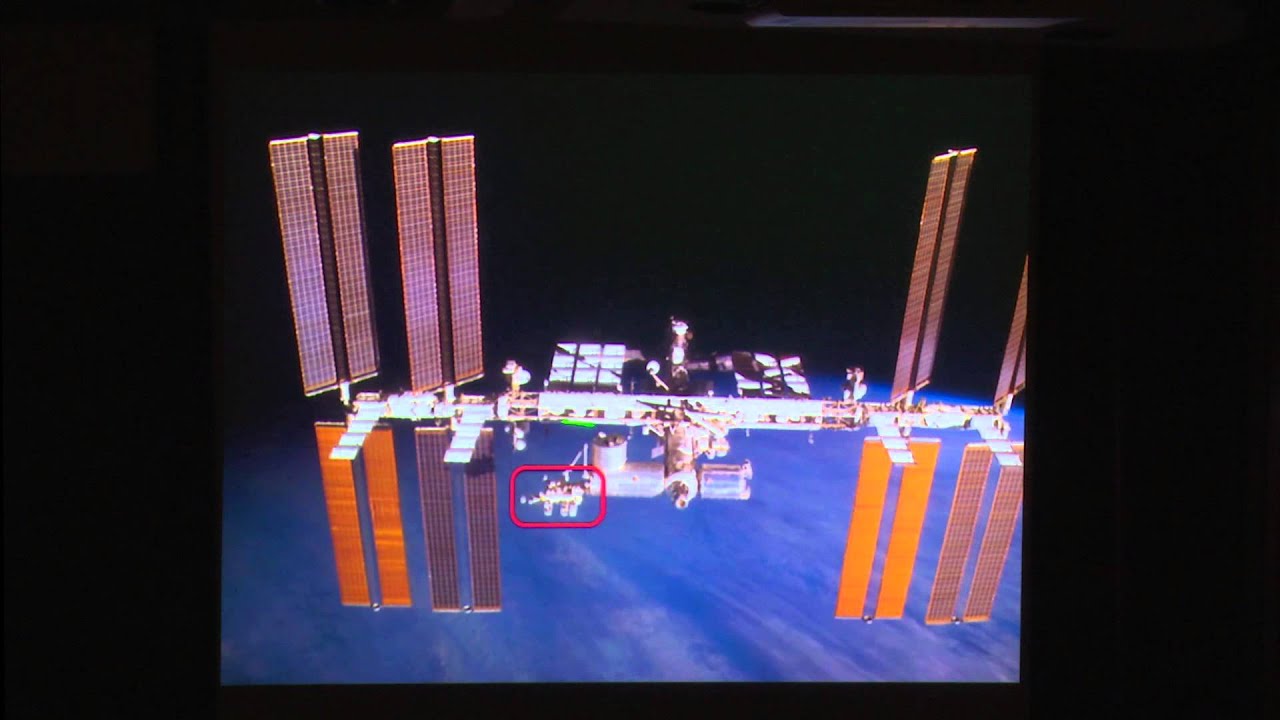
The focus of this study is exploring new multi-instrument approaches to doing ecosystem science from space. We will frame this more general topic around the amazing opportunity that in a few years, we could have simultaneous observations of ecosystem structure, functioning, and composition from the International Space Station (ISS).
Team Leads
-

Paul Wennberg
California Institute of Technology
-

David Schimel
Jet Propulsion Laboratory
-

Ryan Pavlick
Jet Propulsion Laboratory
-

Ralph Dubayah
University of Maryland
- Joseph Berry — Carnegie Institution for Science/Stanford
- Ralph Dubayah — University of Maryland
- Laura Duncanson — NASA Goddard Space Flight Center
- Annmarie Eldering — JPL/Caltech
- Fabian Fassnacht — Karlsruhe Institute of Technology
- Joshua Fisher — JPL/Caltech
- Milan Flach — Max Planck Institute for Biogeochemistry
- Christian Frankenberg — JPL/Caltech
- Robert Green — JPL/Caltech
- Simon Hook — JPL/Caltech
- Francesca Hopkins — JPL/Caltech
- Michael Keller — USDA Forest Service
- Miguel Mahecha — Max Planck Institute for Biogeochemistry
- Lesley Ott — NASA Goddard Space Flight Center
- Ryan Pavlick — JPL/Caltech
- Johan Perret — EARTH University
- Gregory Quetin — University of Washington
- James Randerson — UC Irvine
- Sassan Saatchi — JPL/Caltech
- David Schimel — JPL/Caltech
- Anna Schweiger — University of Minnesota, Saint Paul
- Shawn Serbin — Brookhaven National Laboratory
- Alexey Shiklomanov — Boston University
- Natasha Stavros — JPL/Caltech
- Abby Swann — University of Washington
- Amy Trangsrud — JPL/Caltech
- Susan Ustin — UC Davis
- Manish Verma — JPL/Caltech
- Camille Viatte — Caltech Campus
- Paul Wennberg — Caltech Campus
- Alan Xu — UCLA
Presentations
| Speaker | Affiliation | Presentation |
|---|---|---|
| Ralph Dubayah | University of Maryland | Vegetation Structure/Biomass/GEDI (18 MB .pdf) (video) |
| Joshua Fisher | JPL | Terrestrial Ecosystems (video) |
| Christian Frankenberg | Caltech | xC02/Fluorescence/OC0-3 (27.6 MB .pdf) (video) |
| Simon Hook | JPL | Ecohydrology/ECOSTRESS (video) |
| Lesley Ott | NASA Goddard Space Flight Center | Overview of Carbon Cycle Science (21.6 MB .pdf) (video) |
| Ryan Pavlick | JPL | From Stovepipes to Synthesis (video) |
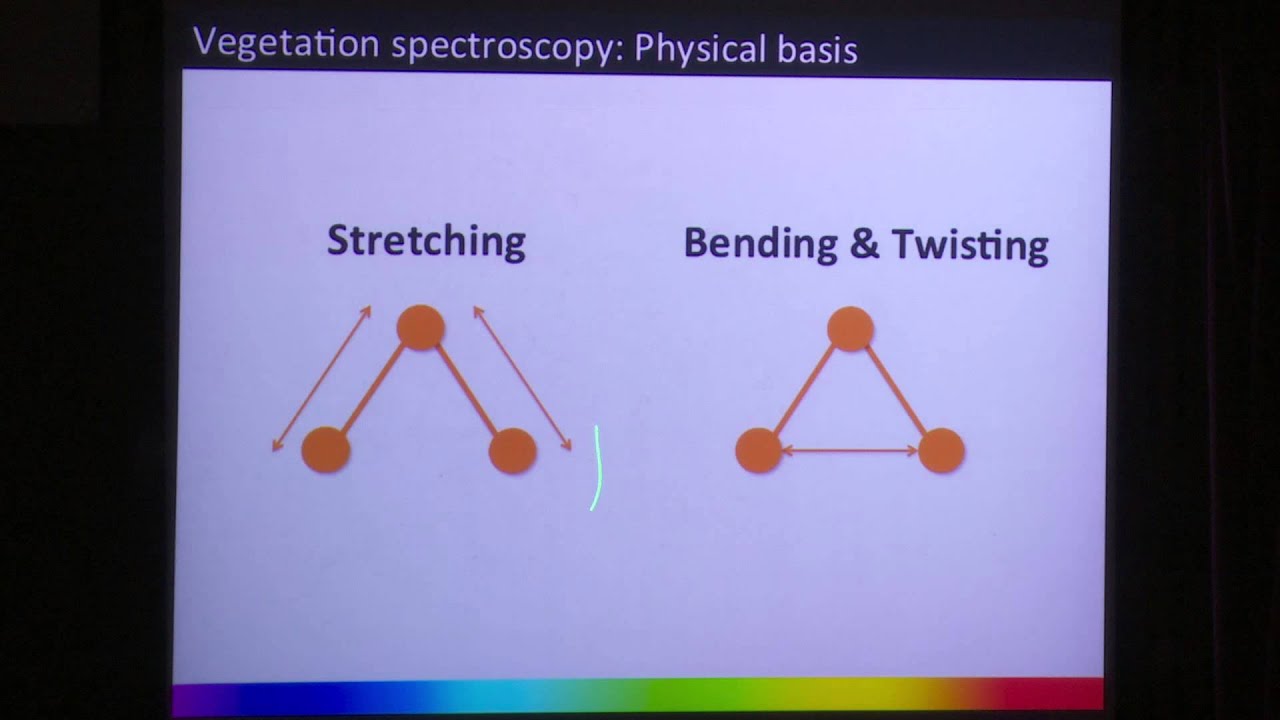
| Shawn Serbin | Brookhaven National Laboratory | Plant Traits/Imaging Spectroscopy (49 MB .pdf) (video) |
| Joshua Fisher | JPL | Global Nutrient Limitation in Terrestrial Vegetation (4.7 MB .pdf) |