All interested researchers and students are invited to attend. No registration is required for the short course. Seating is limited and is available on a first come, first served basis.
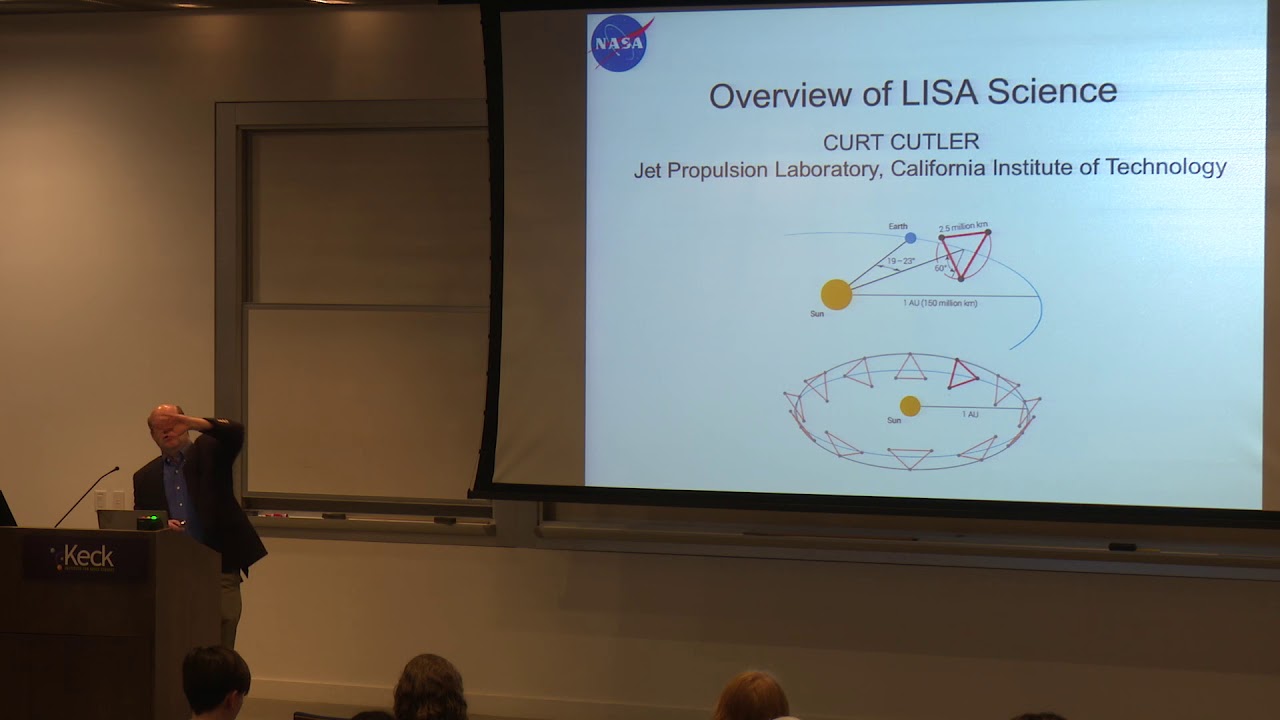
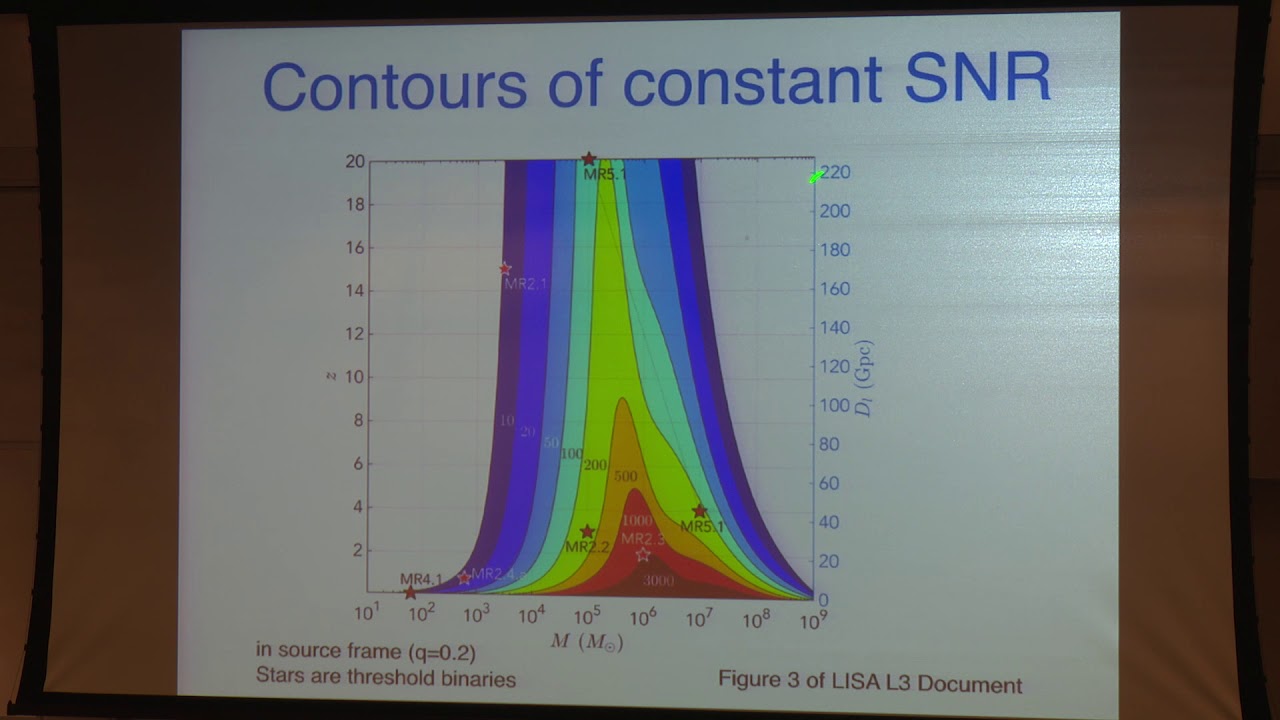
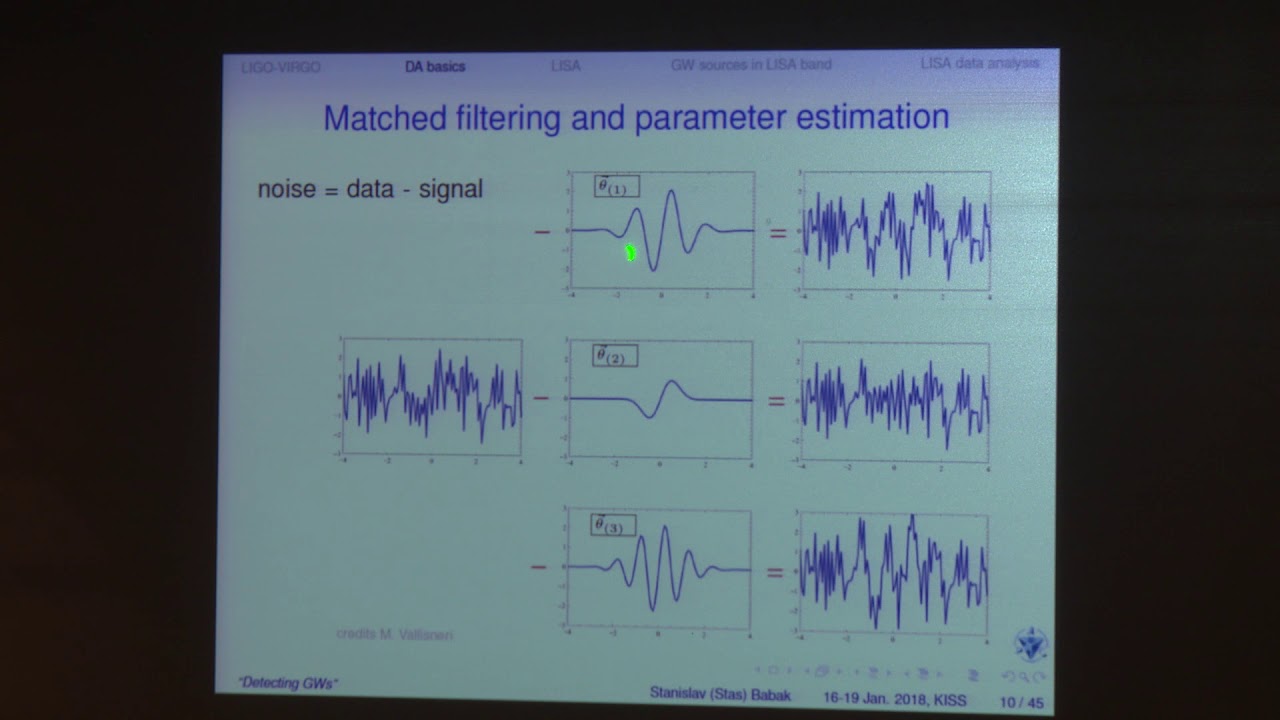
The space-based gravitational-wave observatory LISA will offer unparalleled science returns, including a view of massive black-hole mergers to high redshifts, precision tests of general relativity and black-hole structure, a census of thousands of compact binaries in the Galaxy, and the possibility of detecting stochastic signals from the early Universe. This short course, which kickstarts the KISS study “The architecture of LISA science analysis: imagining the future,” provides an overview of the LISA design and science objectives; reviews state of the art and prospects for gravitational waveform models; and introduces data-analysis techniques for gravitational waves, as they are currently used in LIGO–Virgo searches, and as they will grow in scale and sophistication to handle the LISA dataset.
Speakers
- “An Overview of Lisa Science” – Dr. Curt Cutler, JPL/Caltech
- “Analytical and Numerical Modeling of Binary Sources: State of the Art and Prospects” – Prof. Deirdre Shoemaker, Georgia Institute of Technology
- “Introduction to Data Analysis of Gravitational-Wave Signals” – Dr. Stanislav (Stas) Babak, APC, Université Paris Diderot
Short Course Presentations
| Speaker | Affiliation | Presentation |
|---|---|---|
| Stanislav (Stas) Babak | APC, Université Paris Diderot | Introduction to Data Analysis of Gravitational-Wave Signals (34.8 MB .pdf) |
| Curt Cutler | JPL/Caltech | An Overview of Lisa Science (2 MB .pdf) |
| Deirdre Shoemaker | Georgia Tech | Analytical and Numerical Modeling of Binary Sources: State of the Art and Prospects (25.9 MB .pdf) |